Friendslop Happened: Why Clumsy Co-Op Games Took Over Steam in 2025
Short sessions, low prices, massive copy sales, and a term that split the community. In 2025, co-op “friendslops” were hard to ignore on Steam, so we didn’t. Here’s a closer look at the trend and the data behind it.
— by Maria Bolshman and Evgeny Kolodyazhny
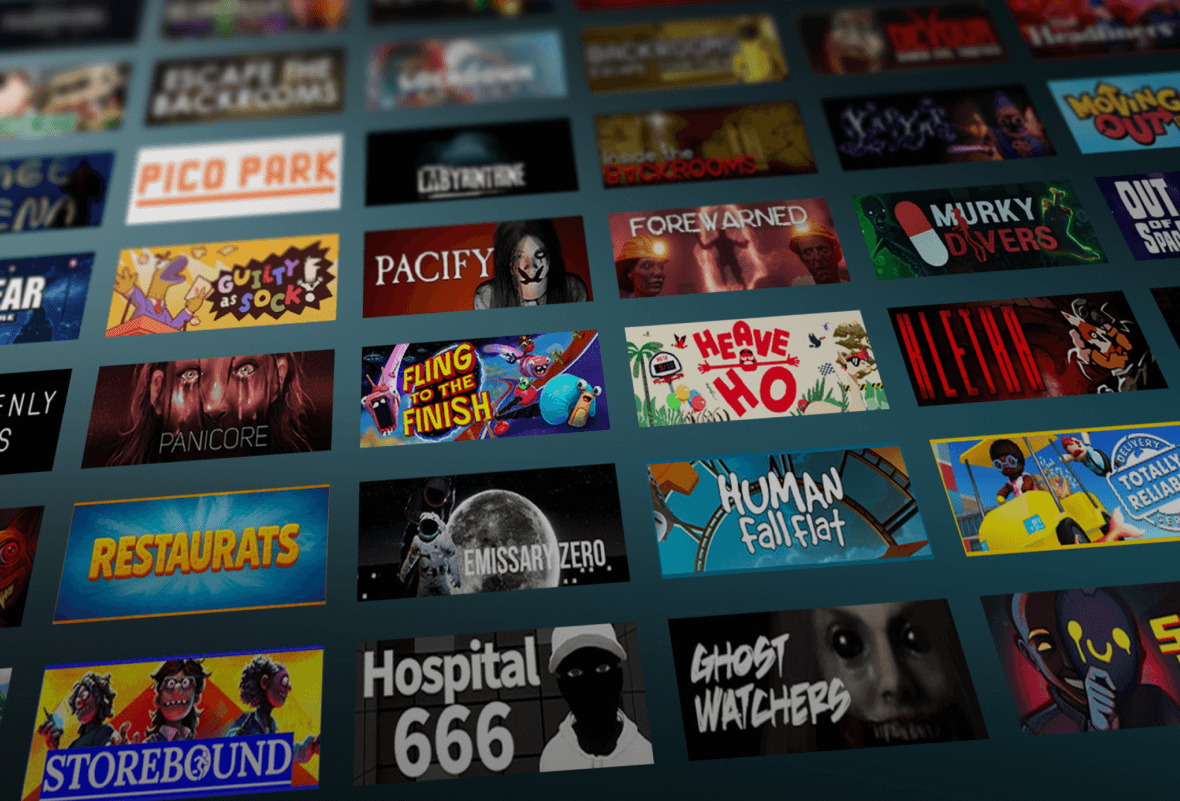
In 2025, Steam was full of lower-priced co-op games built around proximity chats, mild chaos, and a few good nights with friends. The appeal wasn’t the price alone, but the format: low friction, quick buy-in, and zero pressure to stay for months. Games that players could buy, launch, and be done with by the weekend.
Turns out, plenty of players were fine with that. Four co-op titles landed in Steam’s top 10 premium games by copies sold: R.E.P.O., PEAK, Schedule I, and RV There Yet?. All relatively small projects, all co-op at their core. Combined, they moved tens of millions of copies. R.E.P.O. leads with 18.5M, followed by PEAK at 15.4M, Schedule I at 9.1M, and RV There Yet? at 5.7M.
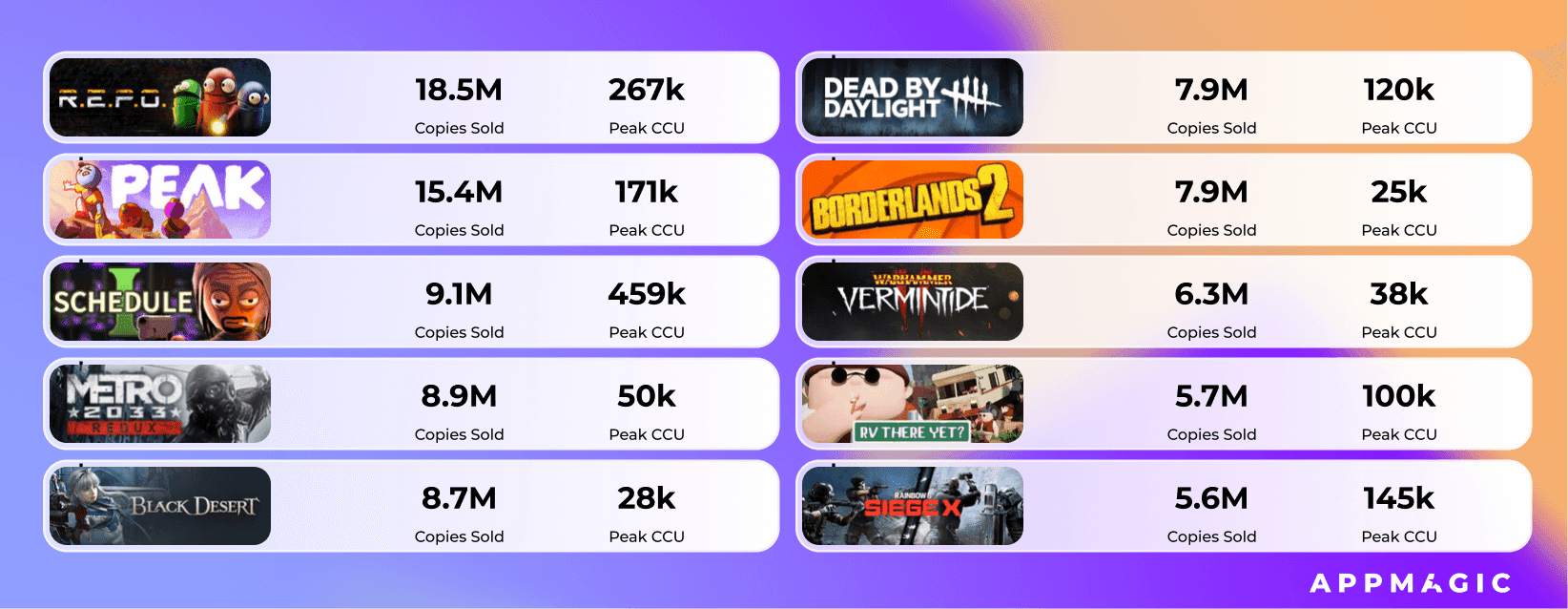
Steam’s top 10 best-selling premium games of 2025
Most of these games are priced in the $5–$20 range, which makes them easy impulse buys. In practice, though, almost no one buys them to play alone. These are co-op games by design: one or two friends is the bare minimum, and a full squad of four is where the fun actually starts. What looks like a small purchase turns into four copies in one go, pushing the total spend closer to $20–$80.

Price points, copies sold, and revenues in January 2026
Technically, players can launch them and play solo. Except that it just feels like setting up a party game with no one else showing up… And while most of these titles don’t ask much of a PC, getting the whole friend group to buy the same game and log in at the same time is the real hard mode. Especially for the one who pitched it.
Even when that works out, it doesn’t change the outcome: most players are gone within a few days, and that’s completely fine. These games aim to own a handful of evenings, and it shows in retention. On average, 30-day retention hovers around 3%. That’s not high at all for premium games on Steam, but we’ll put that number in context later.

Players jump in, get their laughs, clip something ridiculous, and move on. These co-op games are really about moments worth sharing: short sessions, unpredictable interactions, and scenes that look just as good in a TikTok clip or a stream highlight as they do in-game. Streaming culture only pushes this further, turning attention into spikes in downloads rather than long engagement tails.
Eventually, the community needed a name for this whole thing. And the internet did what it always does: it came up with one.
“Friendslop” Is a Trend, Still Not a Genre
“Friendslop” is slang, basically a meme. It popped up because people needed some word for a very specific kind of co-op game. And yes, it’s not an official genre, and no one’s seriously trying to make it one.
Many developers dislike the term. Plenty of players argue about it. So if the word makes you uncomfortable—good, it makes a lot of people uncomfortable. That reaction is part of the reason why “friendslop” stuck in the first place.
It’s provocative, a trigger word: something people use to argue, joke, or describe co-op games that are intentionally lightweight and socially driven. According to Know Your Meme, the term picked up its current gaming meaning in early 2025 and spread through social media as a shorthand for this entire wave.
That’s how we’ll use it here: loosely, a bit ironically, and without pretending it’s a real genre. And, like most trends, it makes more sense once you look at where it came from.
Before Friendslop Had a Name, There Was Phasmophobia
Years before “friendslop” was even a thing, Phasmophobia already taught players that horror games are more fun with friends. With proximity voice chats, co-op horror became something people didn’t just play, but also watched, streamed, clipped, and shared online.
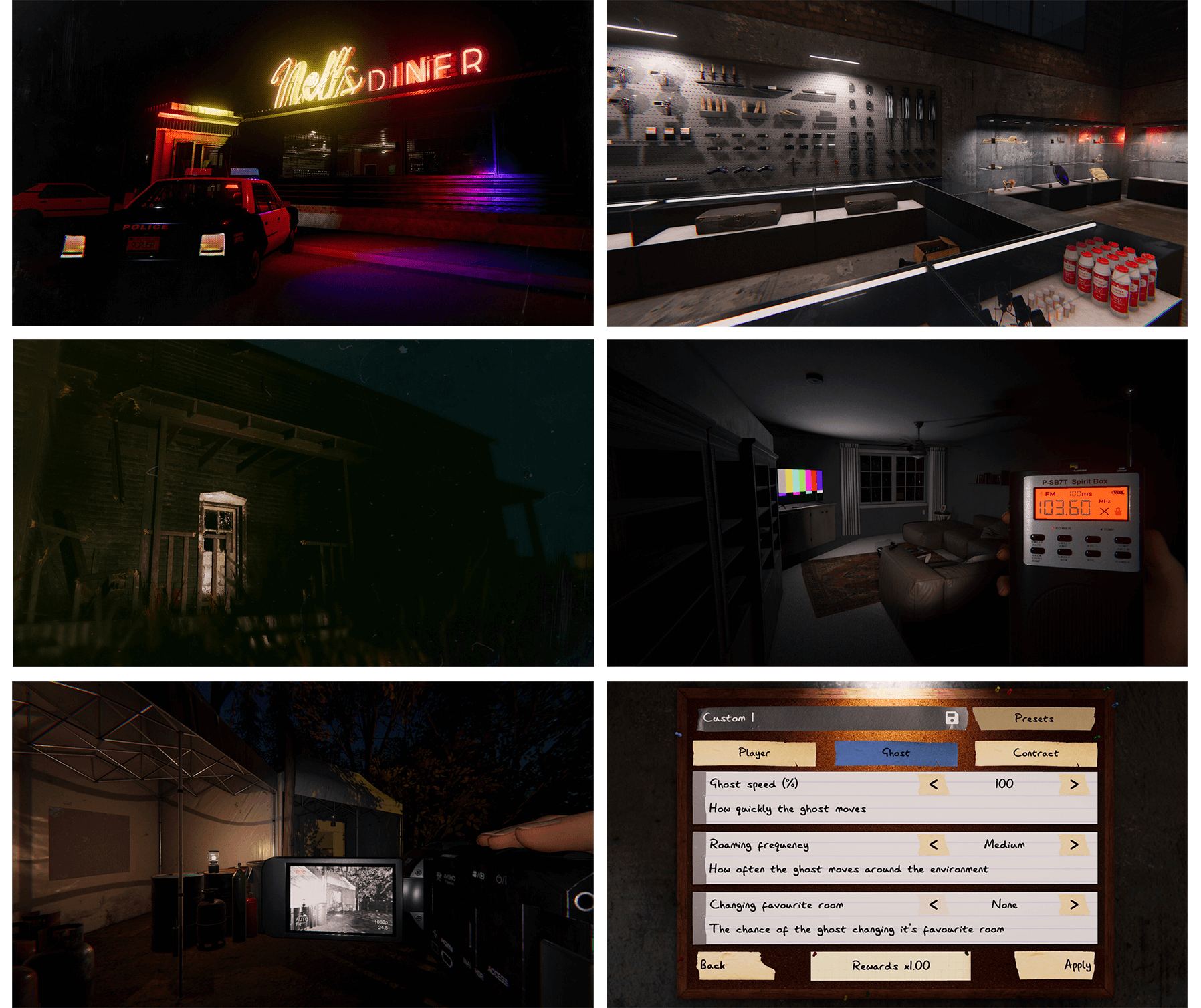
Kinetic Games launched Phasmophobia in September 2020, and the game has since earned over $285M in global revenue. Even in 2025, it averaged around 192K daily active users and roughly 1.8M monthly active users—far more staying power than most short-session co-op hits get after launch.
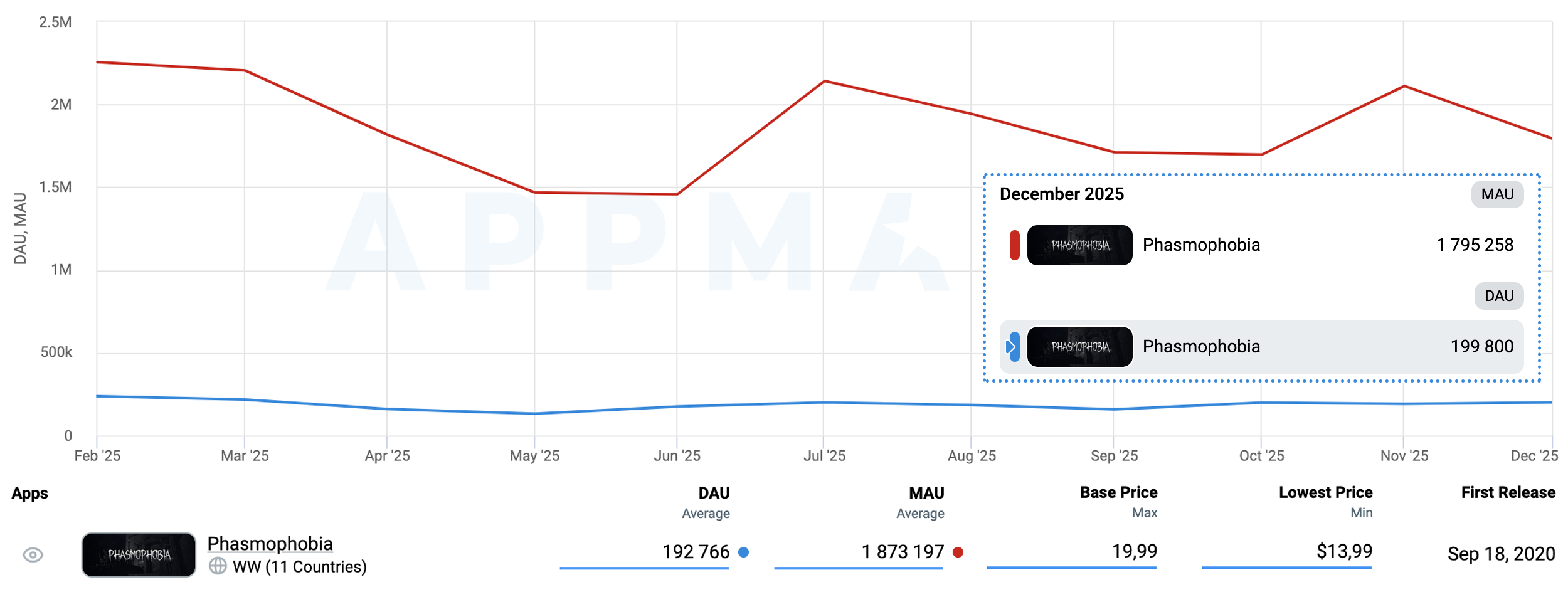
DAU and MAU for Phasmophobia in 2025
Still, Phasmophobia isn’t friendslop. It’s slower, more complex, and comes with a higher entry barrier. That extra depth is also why it lives longer than most short-session co-ops.
So what is its role here? Phasmo laid the groundwork. It proved that “co-op + proximity chat + unpredictable reactions” can turn gameplay into a shared performance. Everything that followed simply made that formula faster and easier to jump into.
Which brings us to the game that set this friendslop wave in motion.
Three Types of Friendslop
In October 2023, solo developer Zeekerss released Lethal Company. At the time, it didn’t look like the start of a movement. Just a scrappy co-op horror with lo-fi visuals, minimal onboarding, and a loop that throws players straight into trouble. The setup was familiar: you load in, get a quota, and chaos begins.
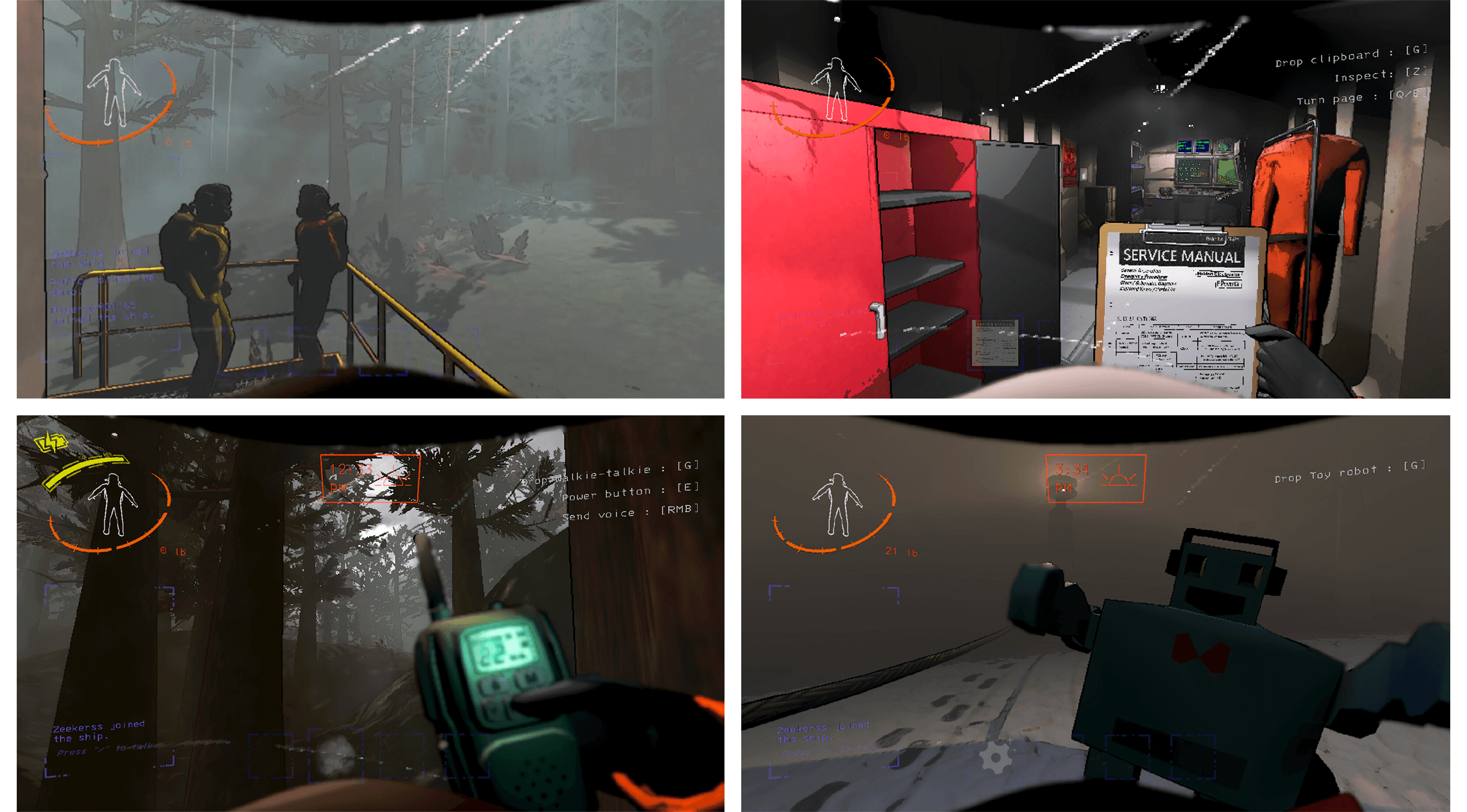
Inside a Lethal Company session
Lethal Company clearly borrowed from Phasmophobia: proximity chat, group tension, and co-op built around reactions. Then it sped everything up. Runs started fast, mistakes happened even faster, and most of the fun came from things going wrong in real time. Players didn’t need to fully understand the game to have fun. Just a few friends ready for pressure and bad outcomes were enough.
The game launched at $9.99, about half the price of Phasmo at $19.99. Simpler visuals and rougher animation kept production light and expectations in check, which made the whole thing feel less serious from the start. The price helped get friends on board, and no one had to think too hard about what they were signing up for.
That mix is basically the “friendslop” formula, and it worked better than anyone expected. So far, *Lethal Company* has sold more than 19M copies worldwide and generated over $225M in total revenue.
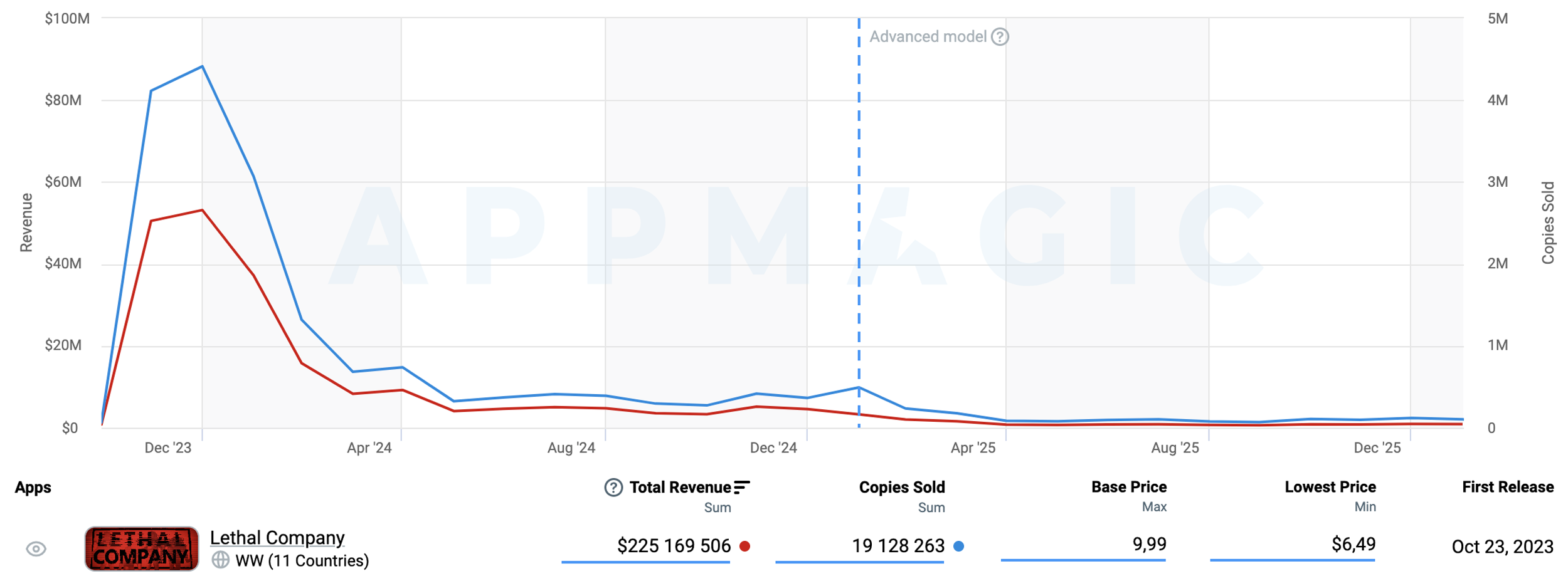
Lethal Company: downloads and total revenue to date
That version of co-op horror took off fast. And once it did, other developers jumped in, and the same idea started showing up in a few different forms. “Friendslop” stopped being one thing and started looking like a whole pack of games built around the same formula.
The idea kept evolving, and that’s how we ended up with a few recognizable types. Of course, the developers keep innovating, and you can easily find the games that stand out, but these three will help you understand the core types of friendslop experience!
Extraction-Style Chaos
This is the most obvious kind of friendslop. Lethal Company belongs here, and so does R.E.P.O. The loop is dead simple: go in, grab what you can, and try to get out alive. Every run is short, chaotic, and slightly doomed. That constant risk is what creates the tension, and you always feel how little control you actually have.
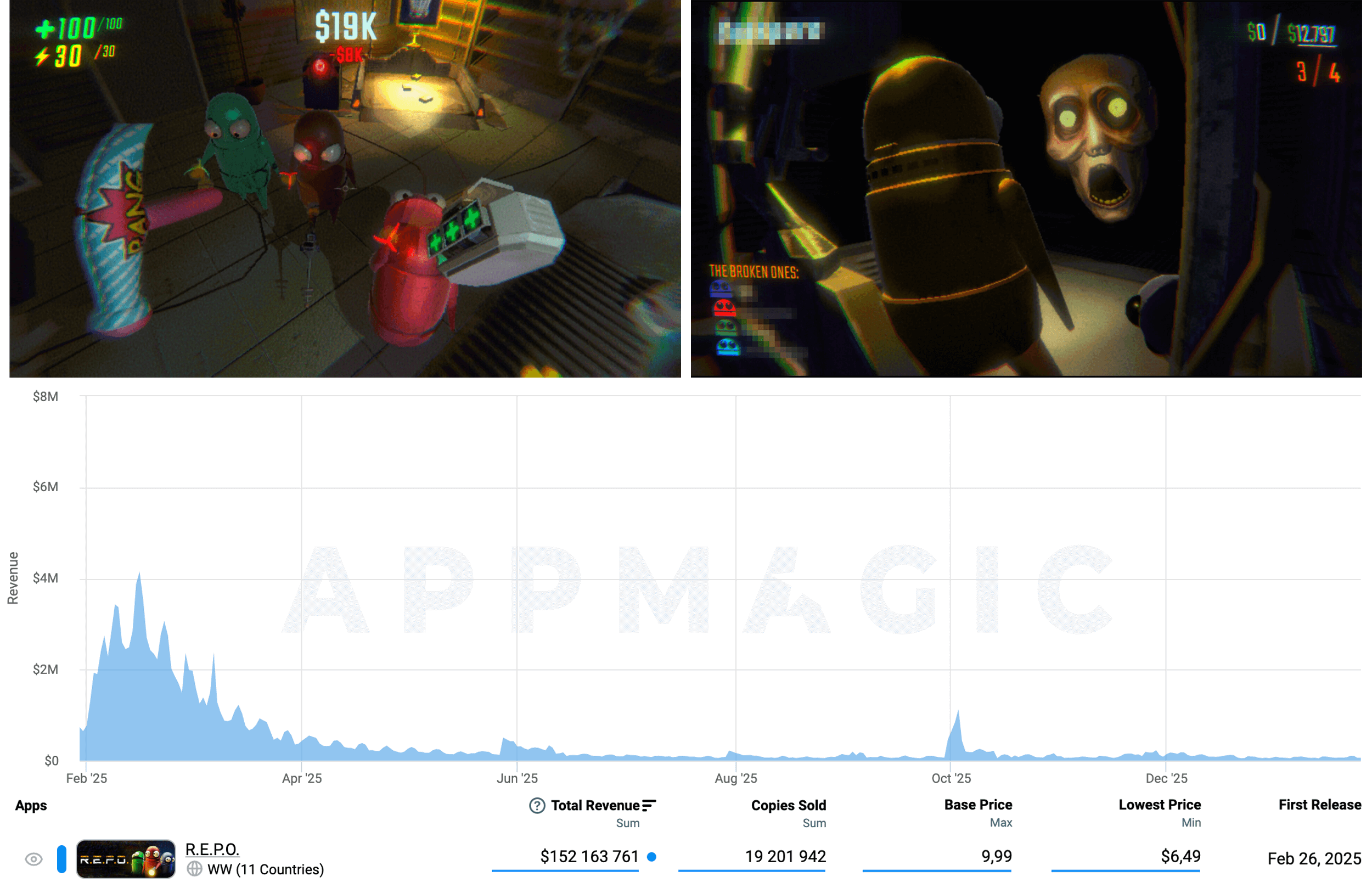
R.E.P.O.: gameplay, pricing, copies sold, and total revenue
R.E.P.O. was launched in February 2025 by the Swedish indie studio semiwork. So what actually happens in the game? You and your crew enter a dark location, start collecting loot, avoid threats, and rush for extraction. There’s almost no onboarding, and most learning happens mid-panic, usually over proximity voice chat.
Movement feels awkward on purpose, pressure keeps building, and one bad decision can turn into a group problem in seconds. Playing well helps, but playing badly is even better. That’s when mistakes turn into stories, mostly full of yelling, laughter, or both.
Players got it, and the numbers followed. *R.E.P.O.* has hit 19M downloads and generated over $152M in total revenue since launch. With a $9.99 base price, it is an easy group buy and an easy impulse try!
Clumsy Chaos & Comedy
These are designed to go wrong almost from the very start. Most of the challenge comes from players trying to work around the game rather than master it. Controls feel weird, physics don’t fully cooperate, the game expects players to mess things up—and maybe look a bit stupid along the way… That design choice explains both the massive love and the frustration around it.
Two titles are enough to get the idea, so we picked the obvious ones: PEAK and RV There Yet?, both in the top 10 by downloads in January 2026.
PEAK is a co-op climbing adventure released in June 2025 by Aggro Crab and Landfall Games. Basically, the game is more about falling than climbing. Slips, bad timing, and accidental sabotage are part of every run. Here, winning is optional, while looking stupid together is not.
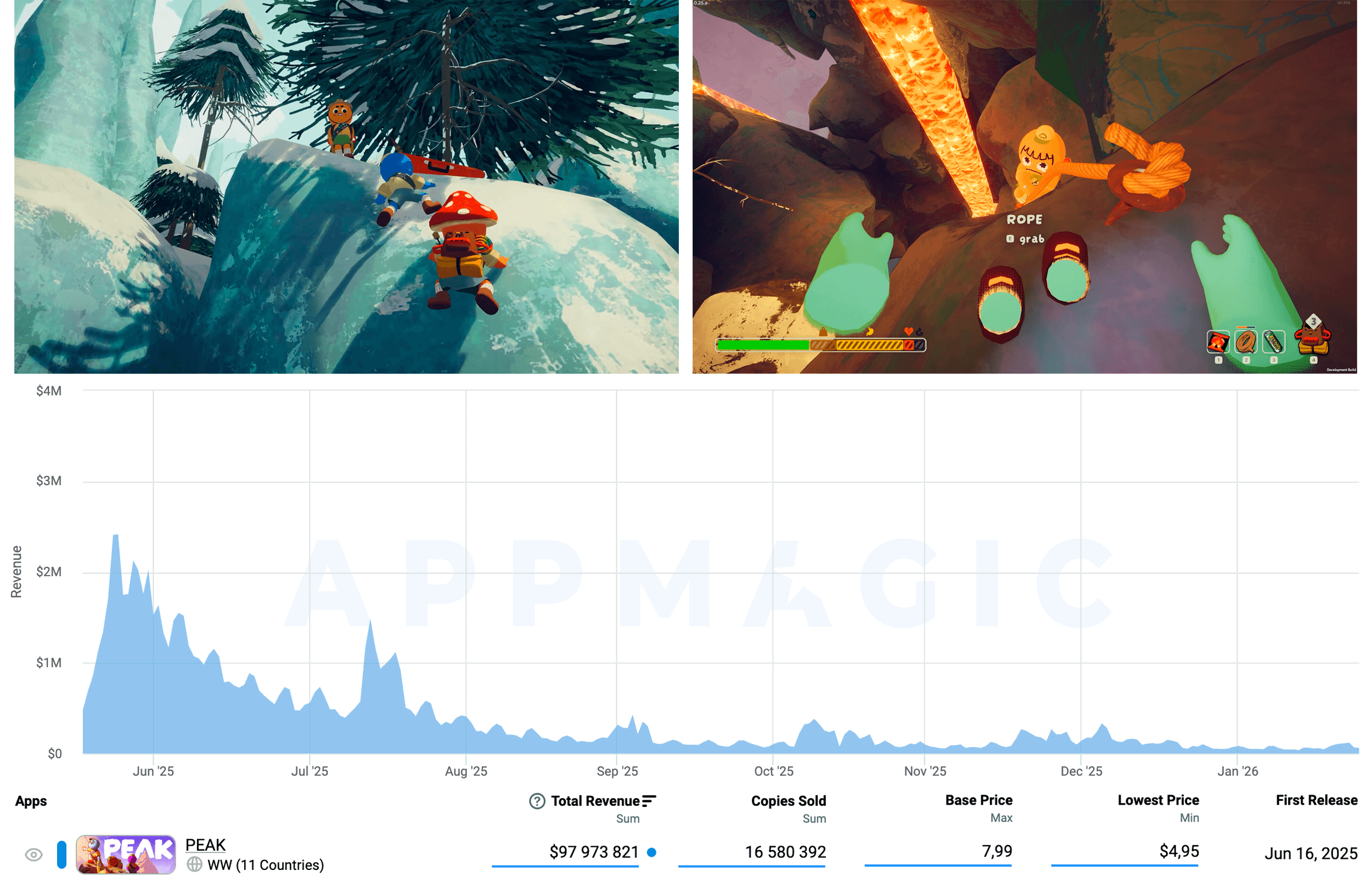
PEAK: gameplay, pricing, copies sold, and total revenue
Since its release, *PEAK* has generated almost $98M in total revenue and surpassed 16.5M downloads. At $7.99, it’s cheap enough to drag the whole group in.
RV There Yet? follows next, swapping nonstop chaos for something slower, but just as social. In this one, a road trip turns into a cooperative disaster. You are all stuck inside a moving RV, juggling tasks, bumping into each other, and slowly losing control of the situation.
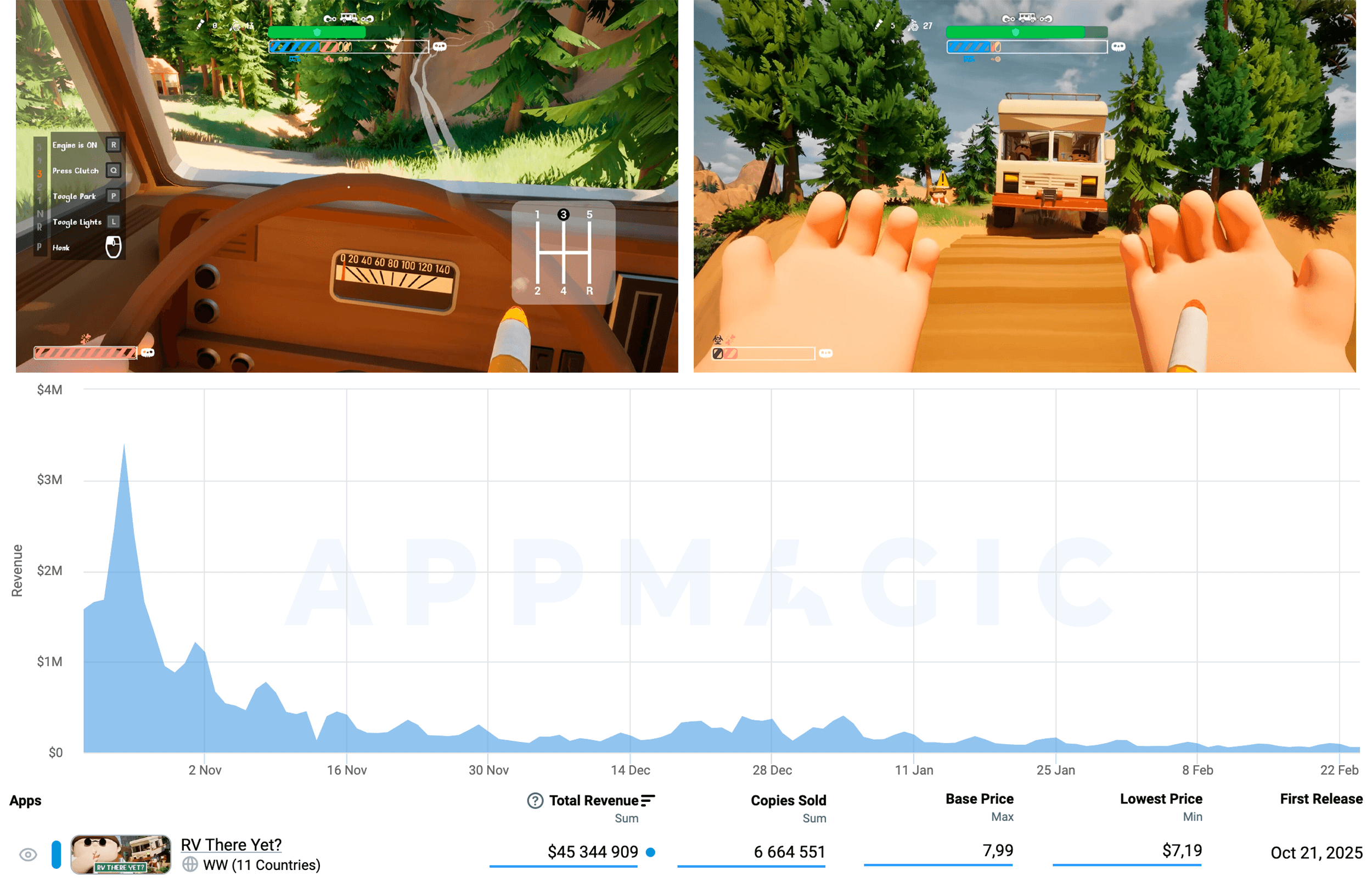
RV There Yet?: gameplay, pricing, copies sold, and total revenue
RV There Yet? was developed by Nuggets Entertainment and released in October 2025. Since then, it earned over $45.3M in total revenue and reached more than 6.6M downloads. It’s also priced at $7.99.
Social Performance
These friendslops live on reactions, bits, and making a scene. They turn players into performers, whether they mean to or not. Mechanics constantly push toward moments worth showing, the kind that play well on stream or in short-form video.
Two games capture this best: Content Warning and Guilty as Sock!
In Content Warning, you and your friends roam creepy locations with cameras, filming anything that might help you go viral. Each run lasts three in-game days. The scarier or weirder the footage, the better the outcome. Survival is secondary, so if someone gets a great clip right before dying, that still counts as a win.
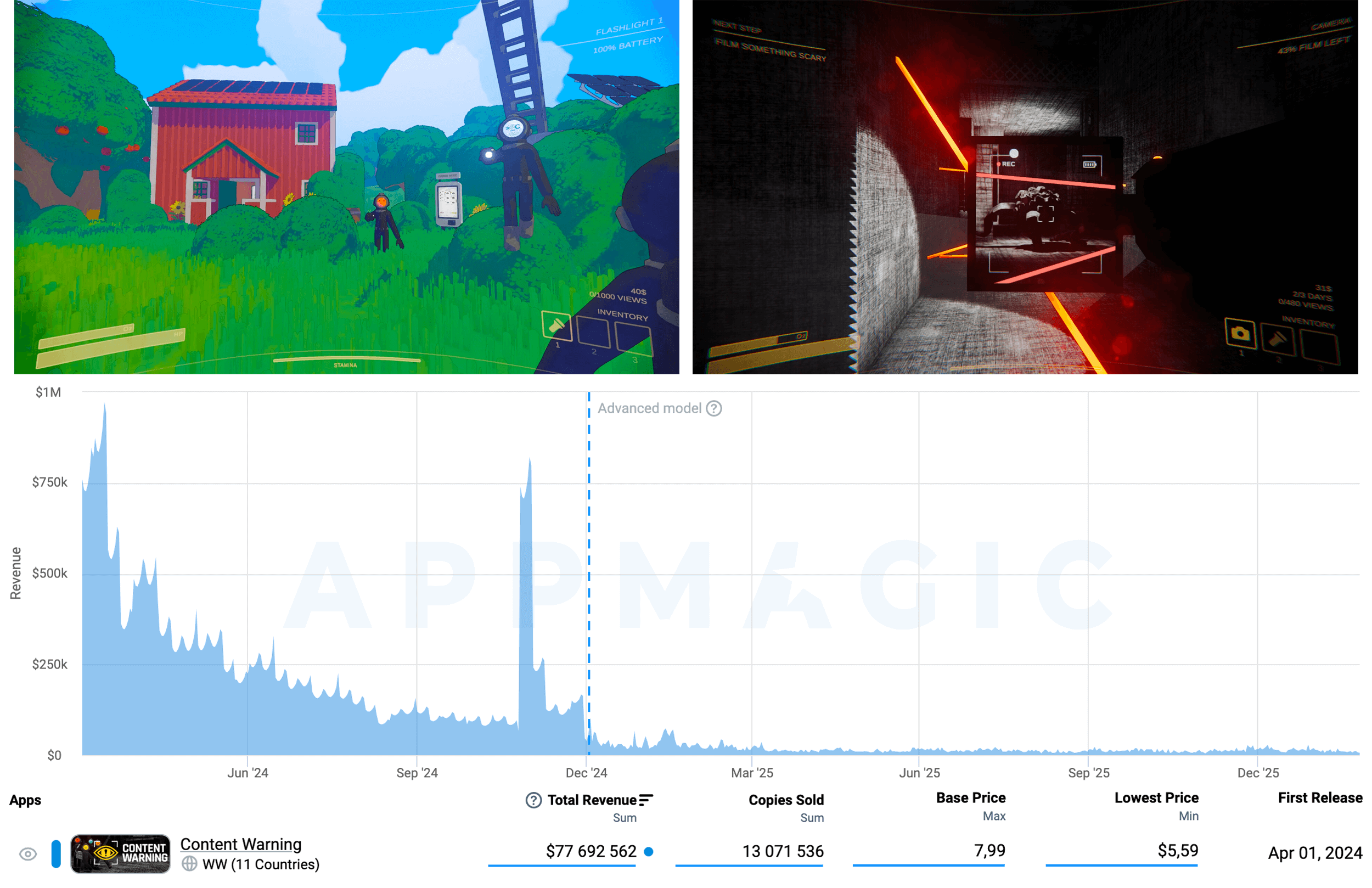
Content Warning: gameplay, pricing, copies sold, and total revenue
Content Warning, released in April 2024 by Landfall Games, went on to reach 13M downloads and generate over $77.6M. At $7.99, it became an easy pick for streamers, groups, and creators alike.
Guilty as Sock! takes performance out of horror and into a courtroom. It’s a social deduction game where accusations fly, evidence barely matters, and confidence often beats logic. One player prosecutes, others defend themselves, and the judge tries to keep order while everyone talks over each other.
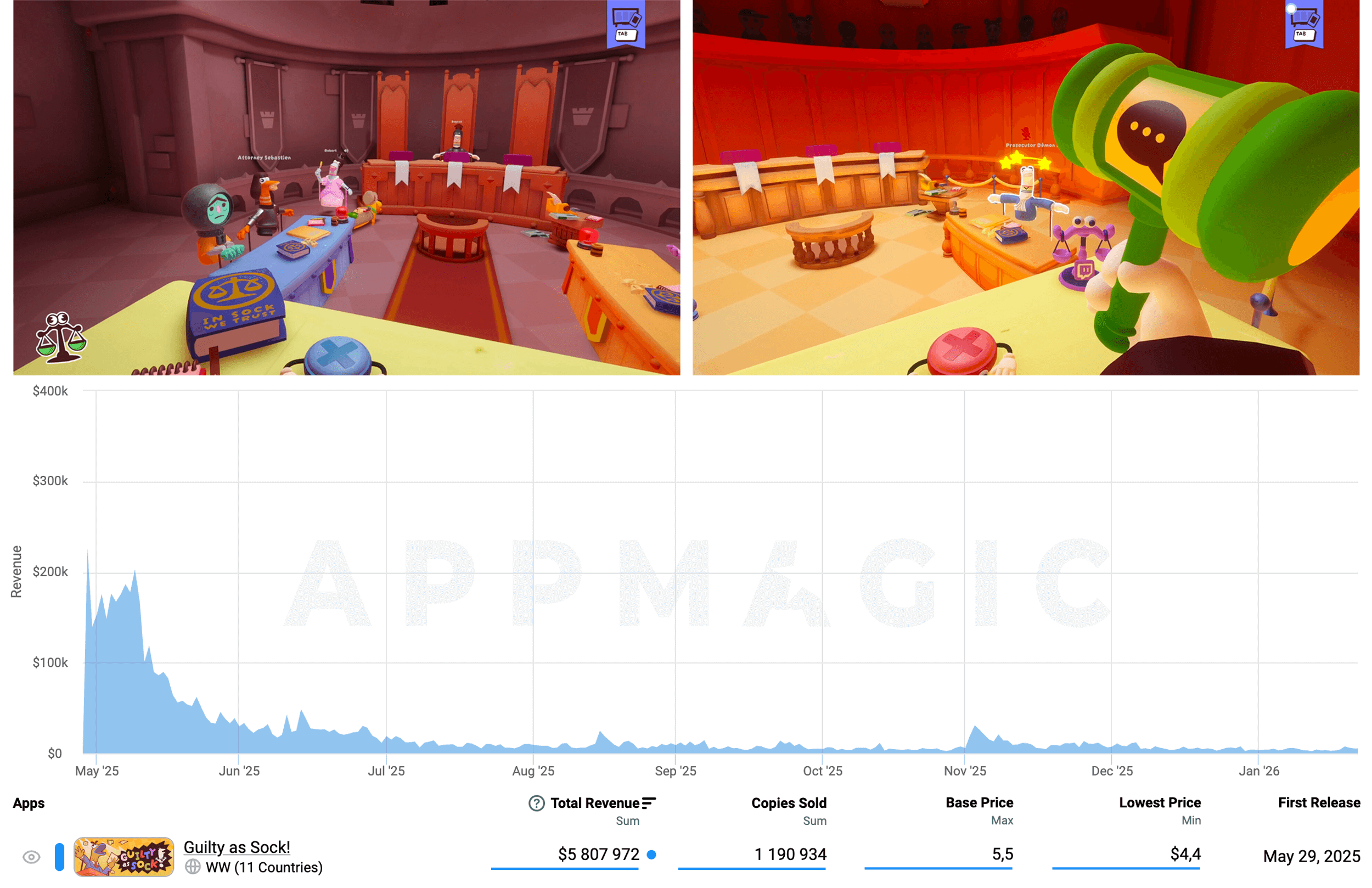
Guilty as Sock!: gameplay, pricing, copies sold, and total revenue
Released in May 2025 by Demon Max, the game may be smaller in scale, but it has already earned over $5.8M and reached around 1.1M downloads. You can pick it up for $5.50.
So, what did we learn? Friendslops have a history, a few recognizable formats, and a steady presence in the charts. They are easy to buy, easy to try, and easy to leave behind, making room for whatever comes next.
That loop does more work behind the scenes, and pricing is where it starts.
The Price: Going Cheaper on Purpose
Let’s compare the friendslops we just looked at. Different games, different ideas, but all are priced somewhere between $5 and $10.
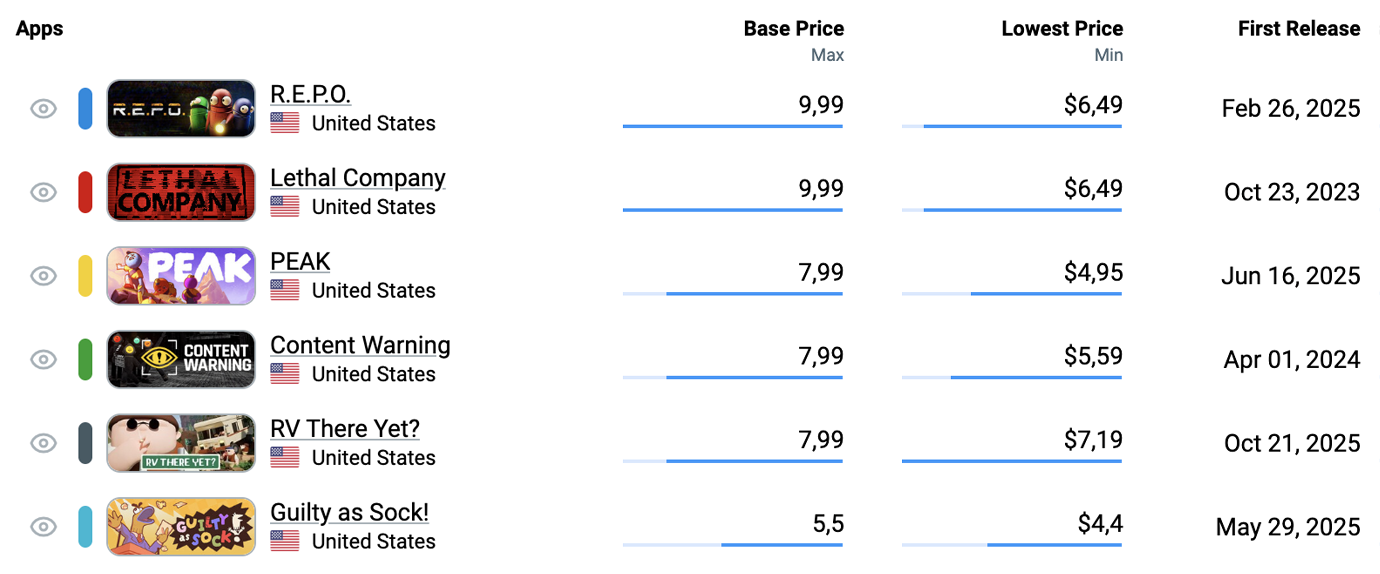
Friendslops aren’t priced lower because developers are feeling generous. For many of these co-op games, pricing often reflects how they’re actually played: in groups. That’s why buying a friendslop is rarely a solo move. Usually, it starts with one person hitting “Buy”, and the rest of the group follows.
Lower prices keep those decisions quick and casual. There’s no overthinking and no need to wait for a discount. One curious player can turn into several copies sold before the hype fades. Yes, the price per copy may be small, but the value of a single conversion is anything but.
This is why a low price doesn’t mean low value. It keeps the cycle going and leaves room for the next game to step in. On Steam, pricing is a strategic choice, often one of the biggest calls at launch, and our pricing research confirms it. As the platform gets more crowded, pricing matters more than ever.
To make this less abstract, we pulled a US top 10 of friendslops, showing price, downloads, and lifetime revenue side by side. However, there’s a lot more beyond this list, and with Premium Access on AppMagic, you can browse the full list of 45 games.
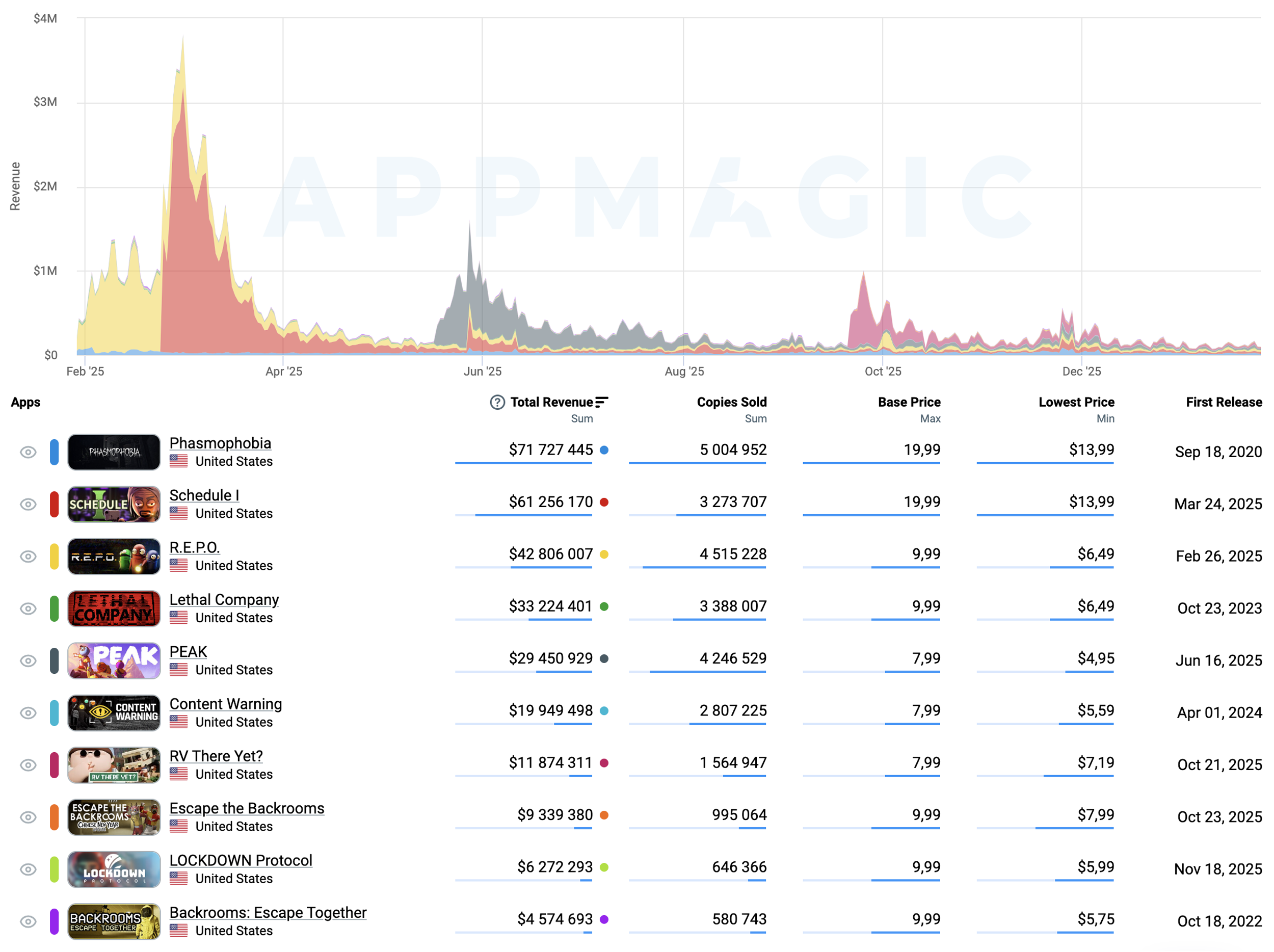
Top 10 friendslops in the US by total revenue
What gets interesting is when you zoom in on a specific moment. Let’s take January, for example, and filter Steam by the co-op tag. The top spots were dominated by friendslops: PEAK ranked third with more than 879K copies sold, and RV There Yet? followed in fourth with over 713K. R.E.P.O. stayed in the top 10 at 527K copies sold. Even Phasmophobia still made it into the top 30 with roughly 193K (still not a friendslop, but close enough).
Then February came about, and the picture changed. Some of the previous hits gave way to a new breakout. A magic-themed co-op horror game called YAPYAP, released on February 3, 2025, climbed to the top. At the time of writing, it leads February with over 905K copies sold.
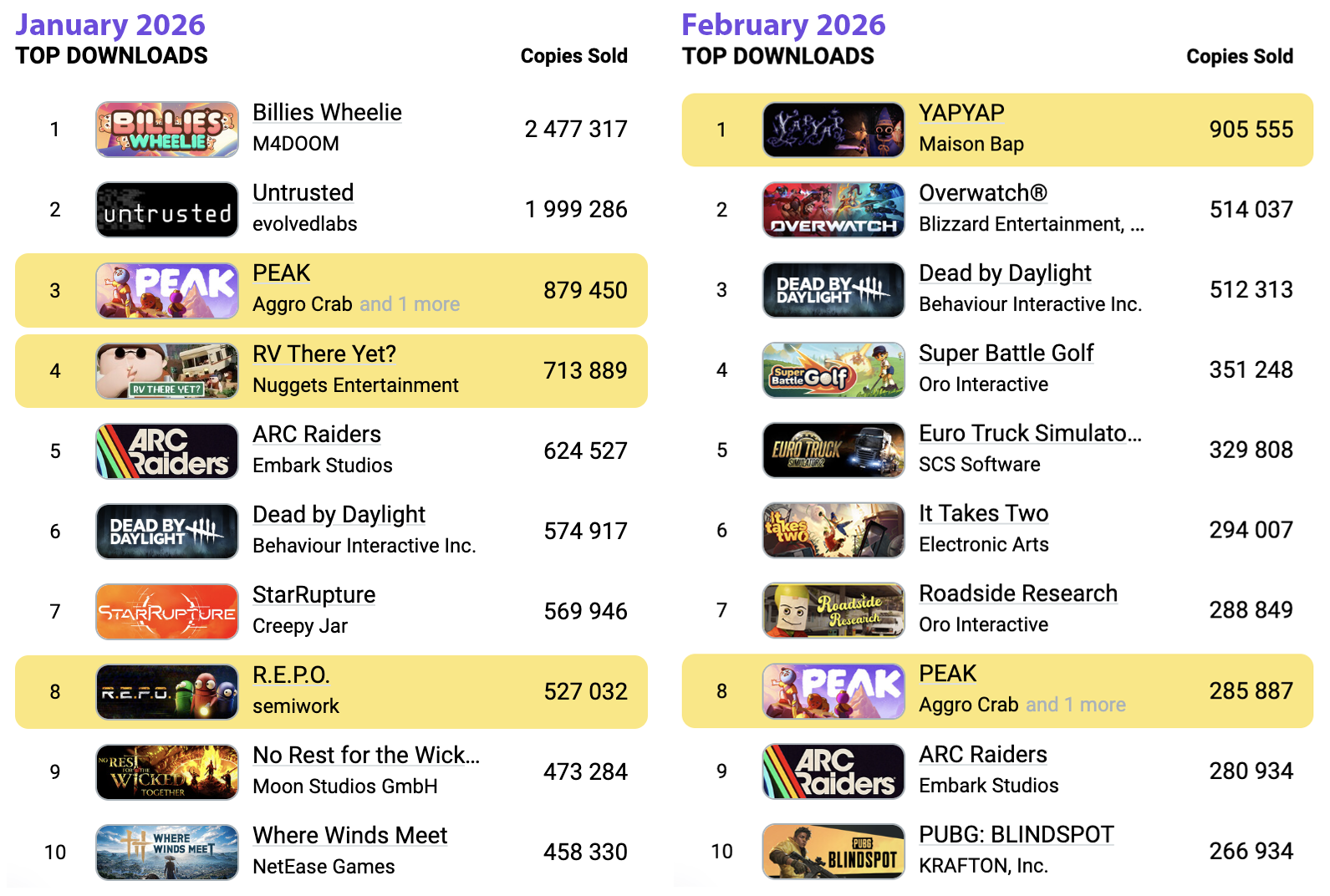
Steam top 10 co-op charts for January and February by copies sold
This kind of rotation is part of the genre appeal for developers. New games pop up, everyone plays them for a while, and then something else takes their place. Which brings us to the next point: you don’t need to chase long-term retention when developing friendslops.
Short Retention Is a Thing
Here’s the thing: friendslops aren’t trying to keep players for months. They are designed for a few intense sessions, often over a weekend, and that’s it. Meta-progression barely exists in these games. There are no long upgrade paths or systems meant to pull you back every day. Almost all progress happens inside a single run. End of session, end of story.
That also makes development simpler: session-based progression is cheaper to build and easier to balance. Teams focus on one strong core loop, ship fast, and see how players respond. If it lands, the game might get updates. If not, it’s smarter to move on to the next idea.
Low retention comes with the format. Take Content Warning, released in April 2024. It spread through viral clips and free access, but once the initial wave faded, players left. Over the past year, its D1 retention was 19.8%, D7 dropped to 4.4%, and D14 ended at 3.6%. By D30, only 3% of players were still around. Long-term support never fully followed.
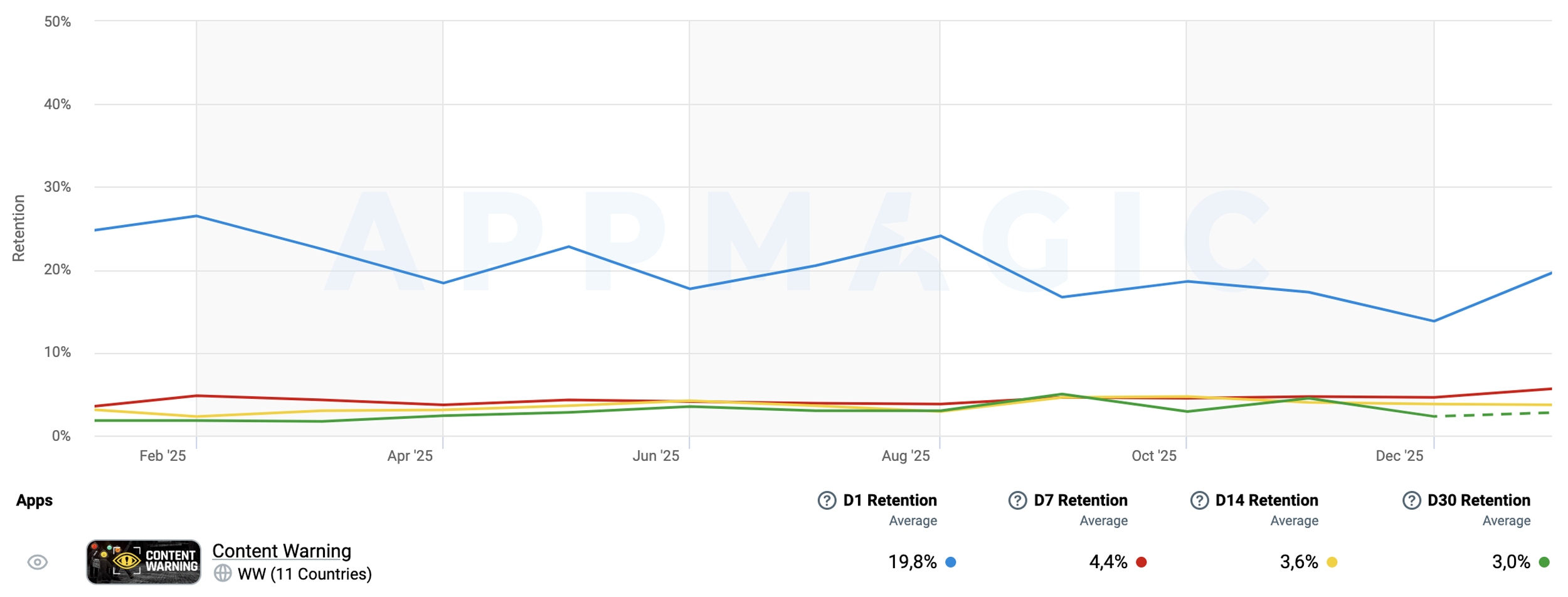
Content Warning D1 to D30 retention in 2025
Our data shows that friendslops generally retain less than other Steam formats. Let’s compare that with Ball x Pit, a single-player roguelike we analyzed in our blog. Its D1 retention starts at 68.1%, D7 holds at 28.2%, D14 lands at 14.3%, and D30 settles at 4.7%—still higher than what we typically see in friendslops.
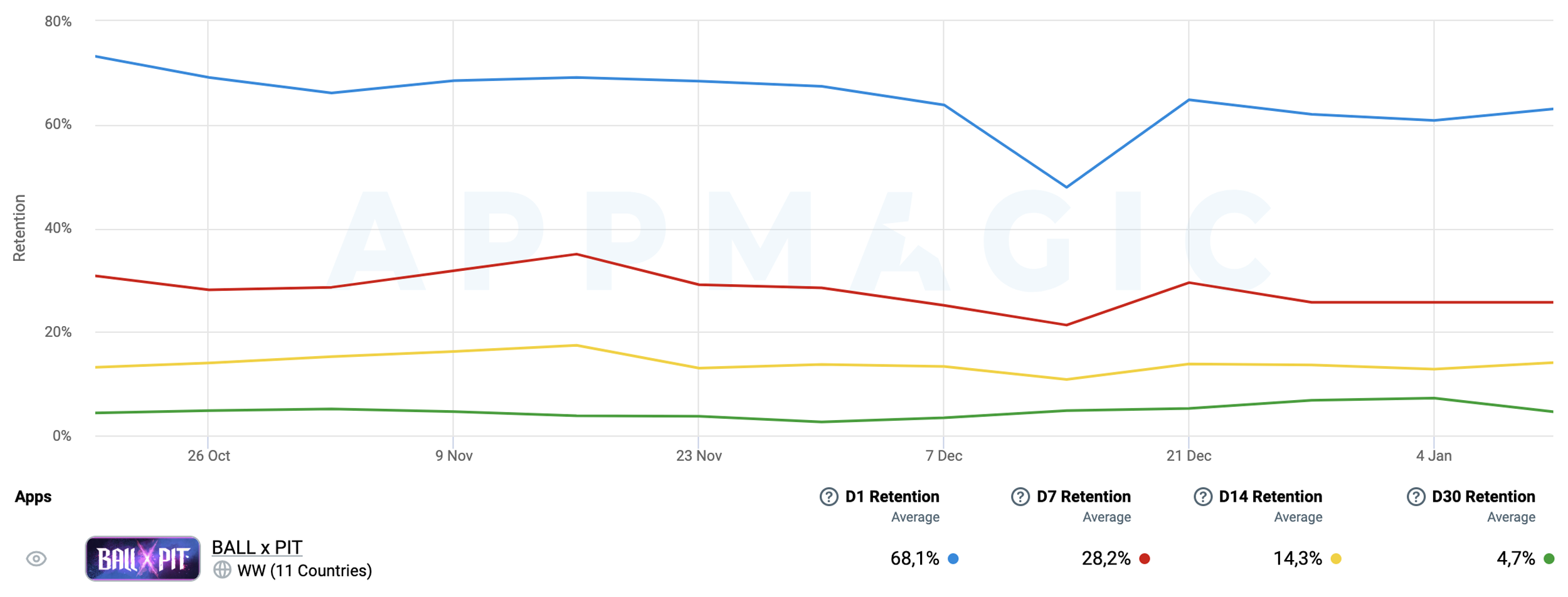
Of course, Ball x Pit belongs to a completely different genre. So let’s look at a couple of more direct four-player co-op titles. Dead by Daylight by Behaviour Interactive has much stronger long-term retention than most friendslops, with D1 at 36.7%, D7 at 18.5%, D14 at 15.5%, and D30 at 11.3%. Phasmophobia also does better, with 28.5% on D1, 11.2% on D7, 8.9% on D14, and 5.3% by D30. In both cases, players stay longer than they usually do in friendslops.

Dead by Daylight and Phasmophobia D1 to D30 retention
Different formats come with different expectations. Content-heavy, long-running co-op games aim to build habits, while friendslops try to create moments. Expectations are lower from the start: these games don’t pretend to be serious or deep. They ask for little time or money and require minimal commitment. Because of that, reviews tend to be more loyal and more focused on whether the game delivered a good time while it lasted.
Low retention, fast churn, and short lifecycles… Sounds risky, right? Yet that’s exactly why 2025 loved friendslops.
Why This Worked in 2025
So why did this format land so well? Well, for many players, a short co-op session with friends felt like a better deal than committing to another full-price, 80-hour game. At a time when games demand either a lot of money, a lot of time, or often both, a light-hearted, low-pressure experience feels refreshing.
It’s the social nature of friendslops that truly makes them viral. They bring players together, and those players generate countless funny moments, share them online, and fuel the cycle. If your Instagram, TikTok, or YouTube algorithm knows you’re a gamer, you won’t miss the next viral friendslop; a short highlight will find you first.
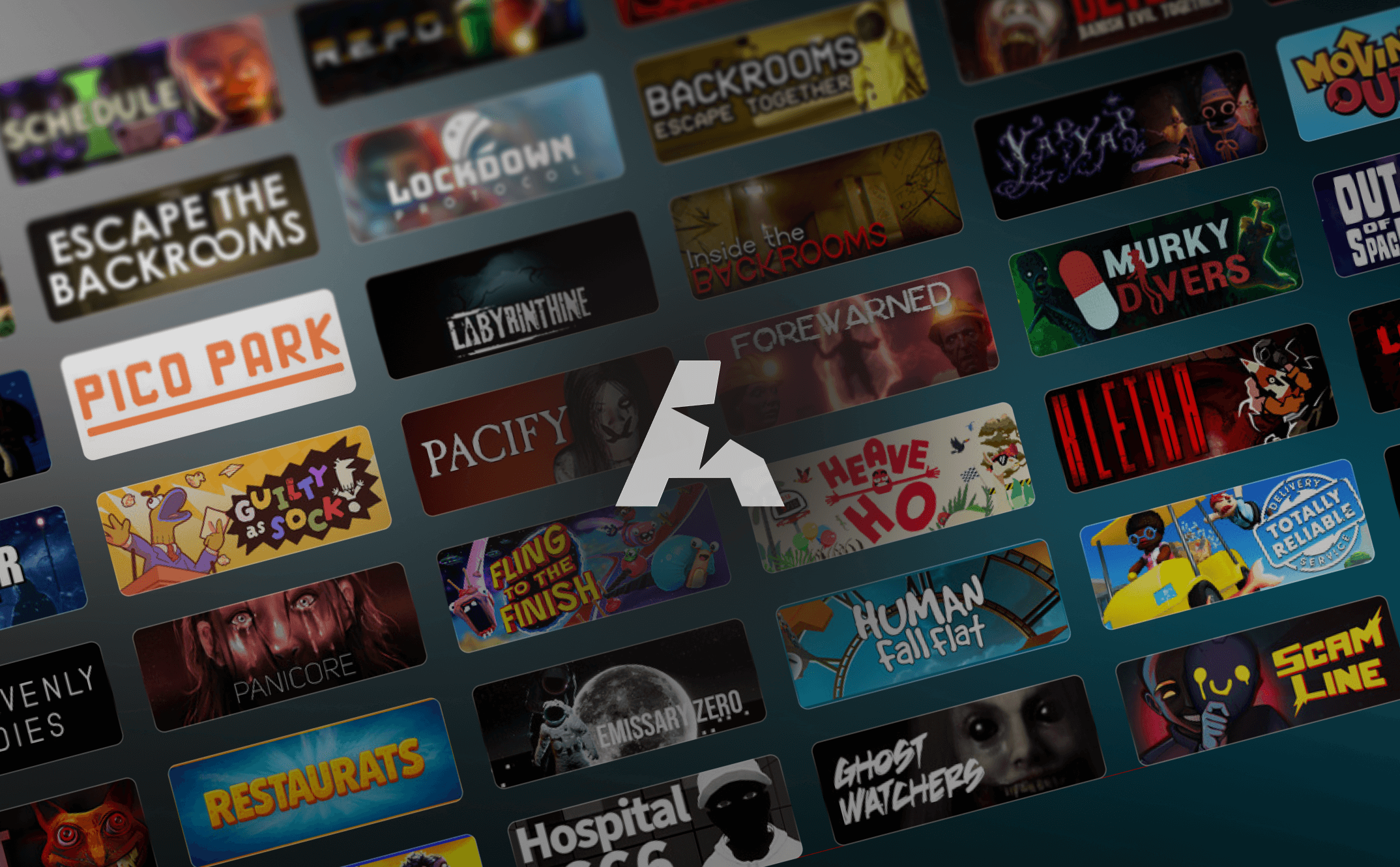
But the same loop that helps this format travel also crowds the space. Once it proved it could sell, more games followed. Some added a twist, others felt a bit too familiar... The result is a wave of similar releases, and that’s exactly how a word like “friendslop” sticks—players need something to label what’s flooding their feed.
We’re not here to hype or dismiss the format. In 2025, it made perfect sense: short, social, low-commitment games matched both the mood and the market. For developers and publishers, that’s the real takeaway: timing, price, and how easily a game spreads can matter as much as depth or long-term retention.
Sure, the next wave will look different, it always does. But for a while, all you needed was a cheap game, a free evening, and at least one friend who takes proximity chat way too seriously.