Heartopia: The $130M Life Sim Redefining the Genre
Heartopia turned Animal Crossing inspiration into a F2P mobile hit that pushed the limits of what mobile Life Sim games can achieve. We dug deeper into its core idea and the monetization drivers behind its rise.
— Lera Kalashnikova
Not so long ago, we summed up H1 2026 in our Casual Games Report, and one case stood out enough to deserve its own deep dive—so here we are. For years, the Simulation genre on mobile has been defined by Farming games that dominated the top of the revenue charts. That remains true in 2026, yet the market has left enough room for one striking exception.
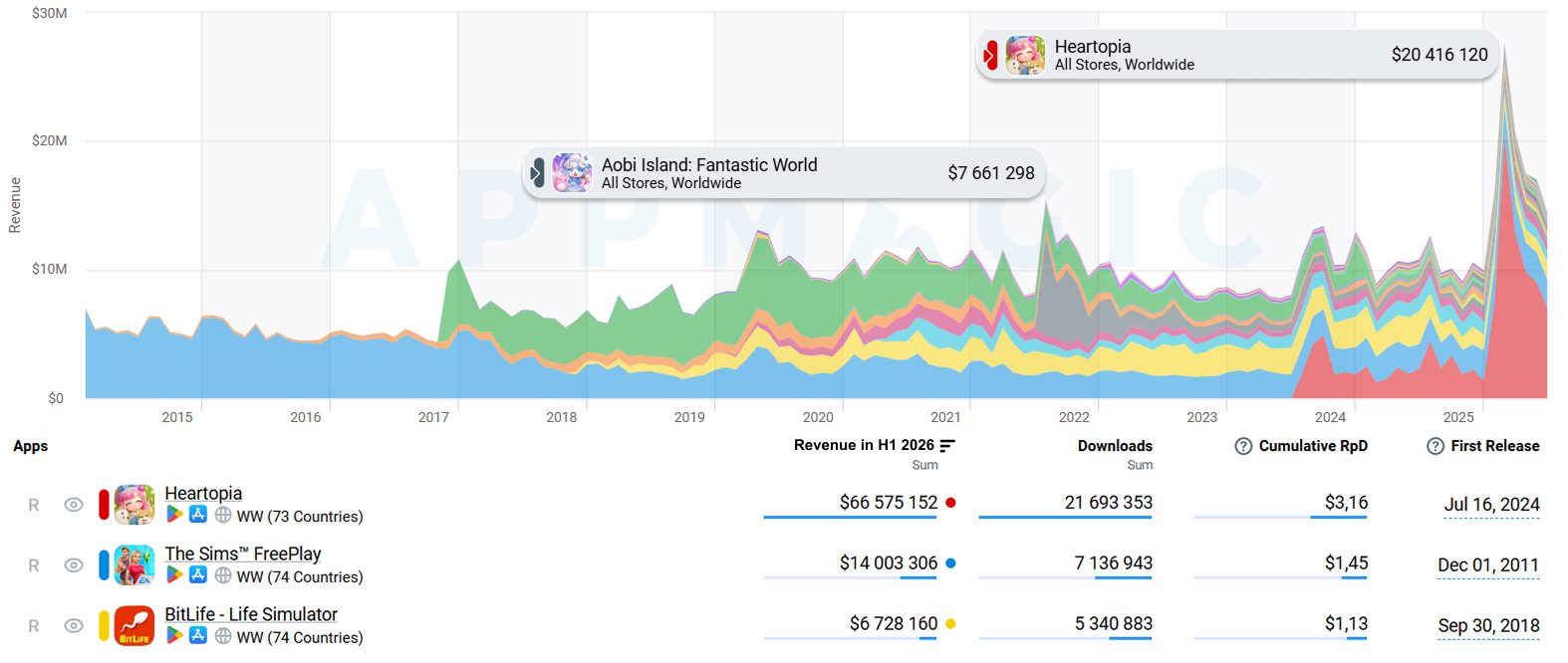
Released globally this January, Heartopia by X.D. Network quickly entered the top 3 Simulation games, generating $67M in H1 2026 alone and coming surprisingly close to Hay Day’s long-held #2 spot (still going strong at $75M). Count the revenue earned since July 2024, when the title was China-only, and lifetime earnings are already exceeding $130M.
Here's the part that really stands out: Heartopia did what no mobile Life Sim game could before. While genre leaders like The Sims™ FreePlay and BitLife - Life Simulator have delivered steady performance for years, it seemed like the category reached its ceiling. For an entire decade, Life Sim games never climbed over $7.7M in monthly IAP revenue—a bar set by Aobi Island back in June 2022. Then Heartopia launched globally and surpassed it, setting a new genre record at $20M per month!
So what actually got it there? The concept itself isn’t new and is rooted far deeper than the mobile market.
Core Idea: Crossing Into Mobile
Even at a first glance, *Heartopia*’s core design feels genuinely familiar. It draws inspiration heavily from *Animal Crossing*, a simulation game series by Nintendo where players explore a cozy village of adorable animal residents and spend their time on various activities like fishing, gardening, decorating, or customizing. Heartopia lets players do much of the same, and many of the villagers you’ll meet there might also have a tail or a couple of bunny ears.
The real difference is accessibility. Getting the Animal Crossing experience means owning a Nintendo console and buying the game itself. And for playing online, you’ll also need the Nintendo Switch Online subscription and some friends who have it all too. All you need to play Heartopia is to pick up your phone. It’s worth noting that Animal Crossing does have its own mobile title, Animal Crossing: Pocket Camp, for $19.99, but it offers a more limited version of the original formula.
Heartopia, however, not only avoids those limitations, but actually expands the experience with a broader 3D world to explore, greater freedom of movement, deeper home-building, and accessible multiplayer.
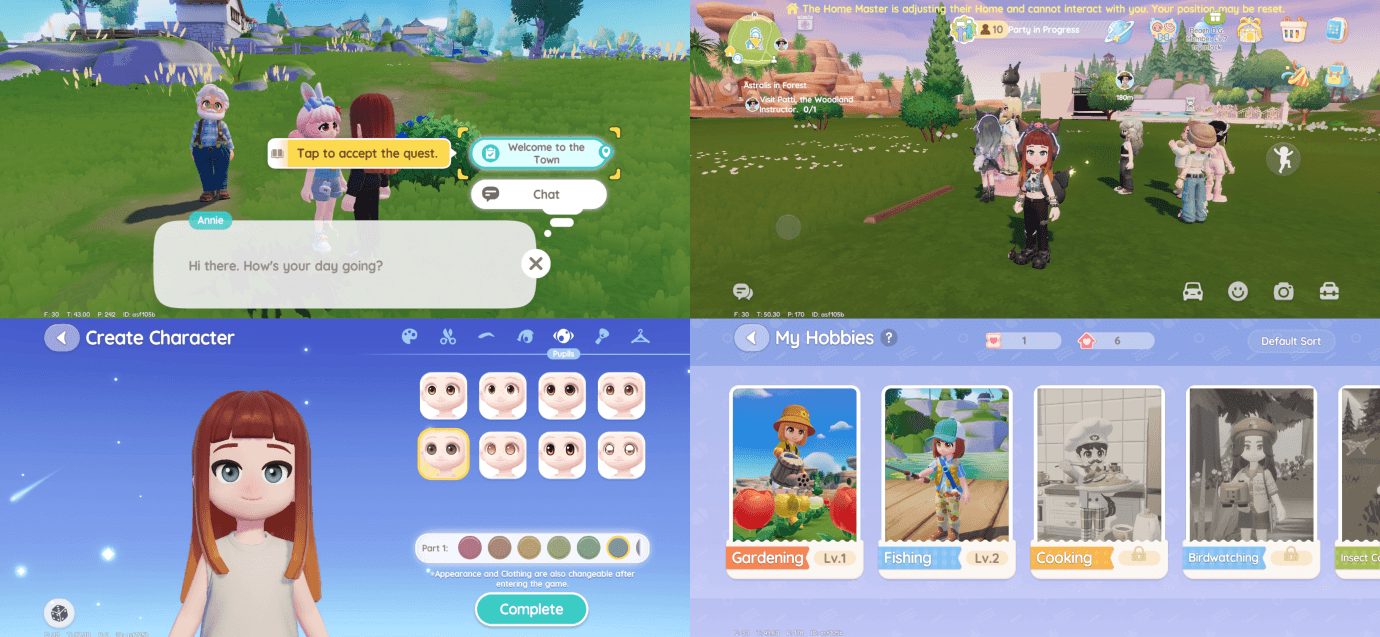
From the first sessions, players progress by completing NPC tasks, unlocking new features, and visiting other players—all without being rushed or paywalled. Instead, the game builds on its multiplayer nature and lands monetization pressure where it fits best: customization. And that’s where gacha mechanics take over, driving much of the game's performance.
Monetization: From Midcore Gacha to Casual
Given *Heartopia*’s strong social aspect, cosmetics and decorations here deliver more than visual appeal, also building on social prestige and letting players show off their homes and outfits. Some cosmetics are available through task rewards, login calendars, or soft currency, but most can be exclusively obtained with paid-only currency (Heart Diamonds) or through time-limited gacha events.
Core systems remain open to everyone, yet the game gives paying players plenty of reasons to spend, with gacha events doing much of that work. Usually, several run at once, creating more options and, in doing so, increasing the average spend.
On top of that, the team frequently introduces IP collaborations, which do double duty: they bring in new audiences and turn limited cosmetics into something closer to branded merch. Since this March alone, Heartopia has run collabs with huge IPs like My Little Pony, MALTESE, Butterbear, and SANRIO—brands that fit perfectly into its cozy, colorful world and match the audience sentiment.
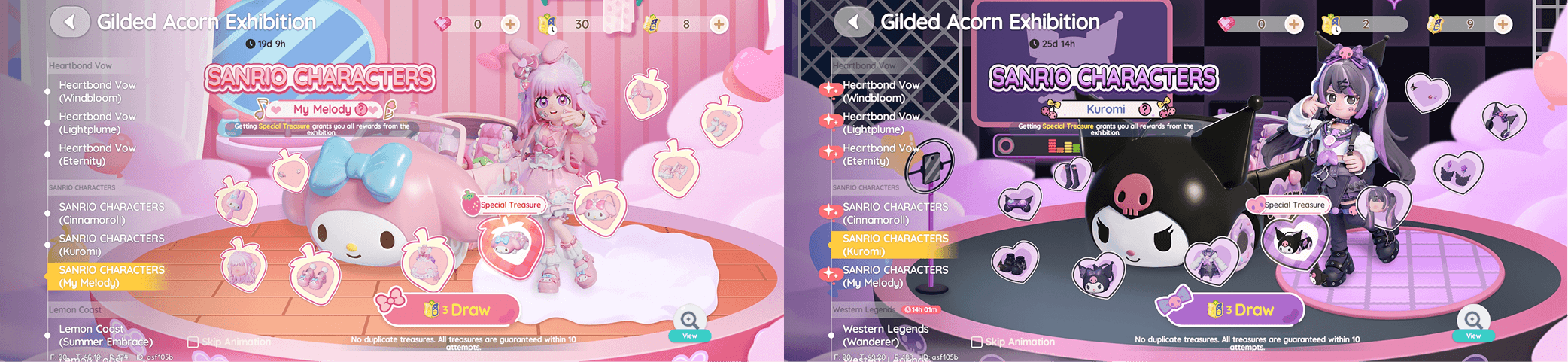
Take MALTESE: a South Korean sticker and character brand highly recognizable to Chinese audiences, and China ranks first by Heartopia's revenue share at 46%. Or SANRIO, a Japanese IP built mainly around a female audience, while Japan is the game’s second-largest market by revenue (16%), and female players make up more than 80% of the game's user base.
This approach delivers a steady flow of new content that feels highly exclusive, while other event formats mostly focus on sustaining engagement over time. With that context in mind, let’s see how this model translates into revenue.
Inside the Revenue Mix
The game’s IAP distribution reveals a clear pattern: 88% of the game's lifetime revenue came from paid-only currency packs, which players spend on various in-game resources, including exclusive cosmetics or gacha draws. This structure mirrors strategies of Midcore gacha-centered games like Honkai: Star Rail and Genshin Impact by miHoYo, where similar packs generate more than 74% and 82%, respectively.
That flexibility lets players plan ahead and spend in advance, and the data shows it might be working exactly as intended. Players lean toward higher-priced bundles that give them more currency to spend on multiple purposes: the $10.99 currency pack ranks as the second most common purchase with 14% of all purchases made, right behind the $4.99 bundle, accounting for 17% of the lot.
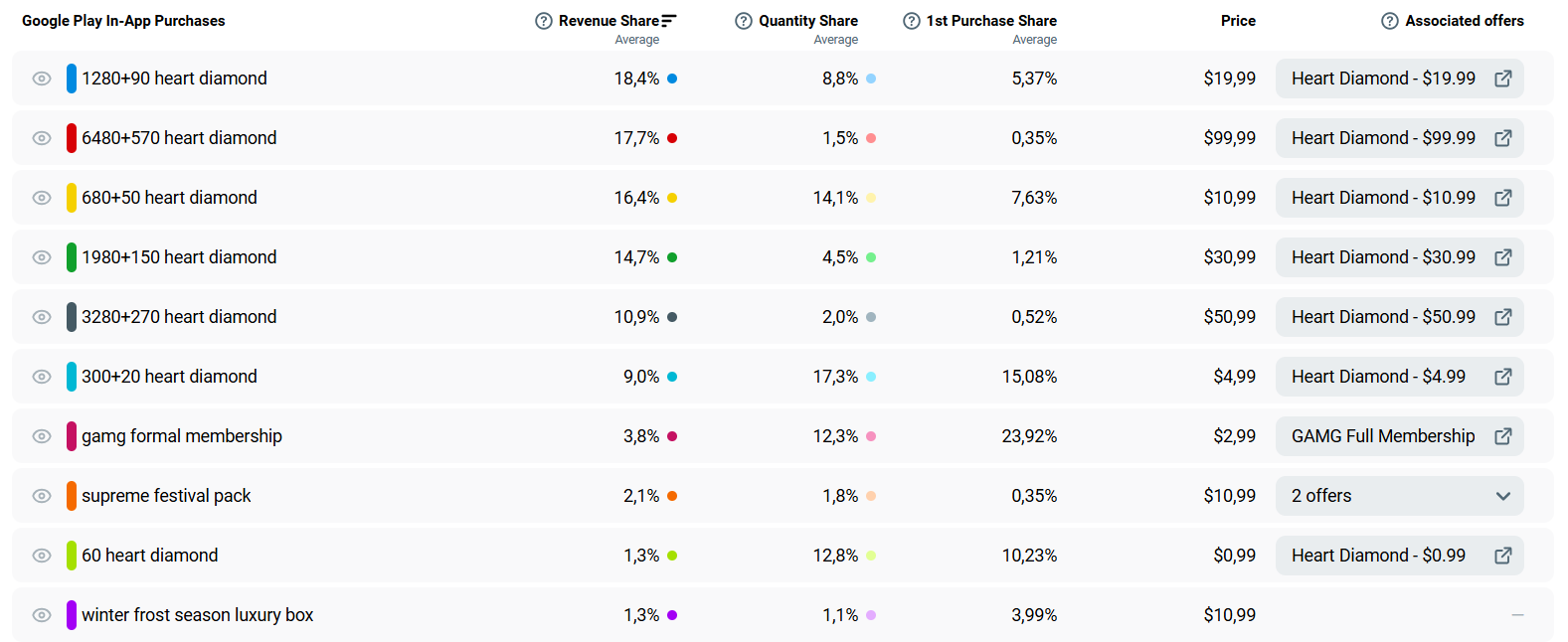 IAP Distribution: Heartopia’s top-performing offers (Google Play, US only)")
While the $2.99 monthly membership holds a far smaller share of revenue (3.9%), it plays a meaningful role in building player habits, encouraging them to log in and spend regularly. A low price point paired with valuable rewards, including gacha draws and paid currency, helps reinforce commitment to the game in the long run.
Overall, this monetization structure makes sure the explosive success at launch turns into sustained revenue flow. The gameplay itself still feels comforting and lets players move at their own pace without friction, while spending is optional yet socially rewarding.
Key Takeaways: Beyond the Animal Crossing Inspiration
This year, Heartopia rewrote what the mobile Life Sim genre is capable of. What once looked like a spending ceiling turned out to be a limit of what existing games could offer.
The game borrowed a beloved, proven concept from console gaming, but it didn't just port it over. Heartopia rebuilt that concept around a monetization system that leans closer to Midcore gacha titles. It wasn't console nostalgia in a mobile shell, but a familiar idea rebuilt in a way that works effectively for a F2P mobile format.
For now, *Heartopia*’s rapid rise remains an exception rather than a promising sign for the entire genre. Yet another studio known for gacha hits is already following the same path. miHoYo recently announced the upcoming release of Petit Planet, built on a familiar formula: Animal Crossing inspiration at its core, adapted to mobile f2p format, trading cozy villages for entire planets with familiar-looking fuzzy neighbors.
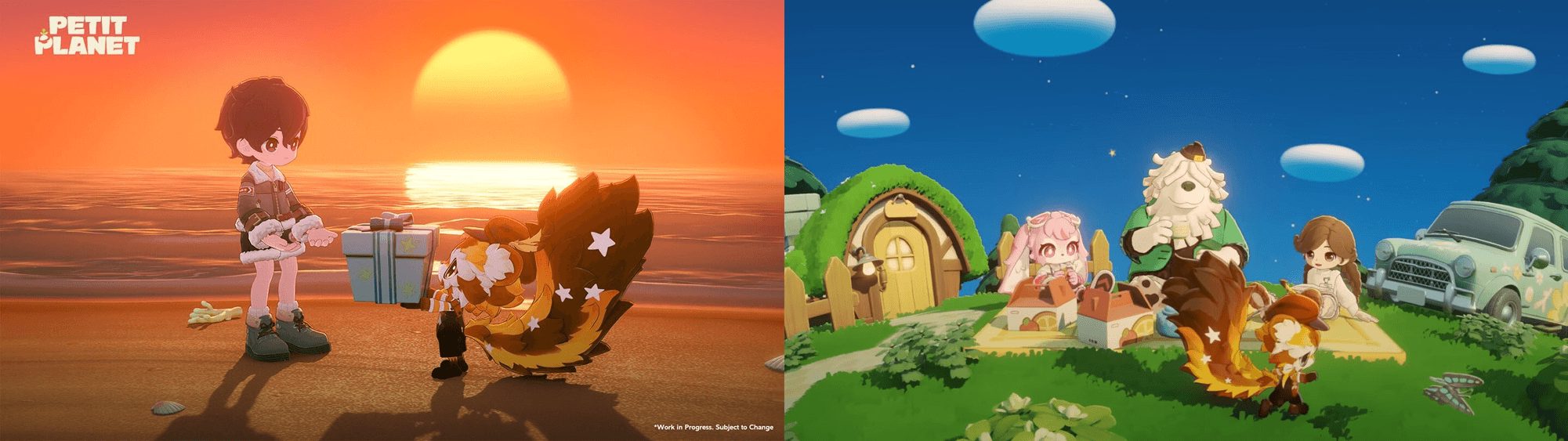
Heartopia showed that this setup can scale into real growth—enough to pull large publishers into a genre that had felt stagnant for years. It's a reminder that the right strategy can push straight through a market ceiling, redefining what the genre can actually deliver for dev teams.
This article was featured, along with other pieces, in our biweekly AppMagic Newsletter from August 12, 2026. If you’d like to receive insights like this ahead of others, subscribe here or in the form bellow.