Squid Game’s Final Round: 305 Titles Eliminated
Squid Game led to 322 themed mobile games: 305 are already gone. But there are still many winners: Netflix, Roblox, Fortnite and Hypercasual studios cashed in early with millions of installs. See how they did it, and learn how you can ride the next big trend.
— by Lera Kalashnikova
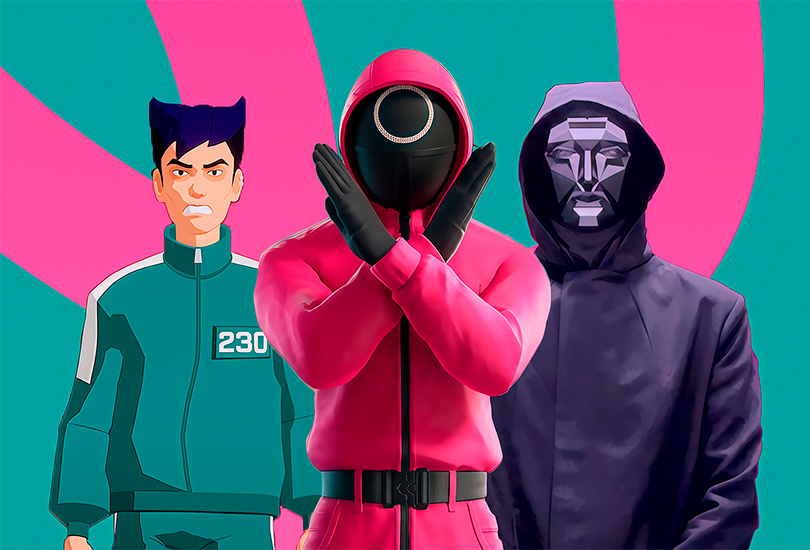
In 2021, Squid Game, the South Korean TV show about down-on-their-luck contestants locked in a deadly series of childhood games with a huge cash prize at stake, took the screens worldwide by storm.
Mobile game developers were quick to seize the moment and try to capitalize on its phenomenal success. Themed games and smart ASO tweaks would flood the app stores whenever a new season came out. It was an easy win: a familiar visual hook for players that helped gain visibility and boost installs.
Our Advanced Search tool tracked a surge of related titles back in 2021, when 2,554 apps using the “squid” keyword were launched, including 145 games. However, as with any trend, the hype slowly faded. This year, right before the show’s final season, only 65 “squid” apps were released. While still a huge number, it is nowhere close to what we saw before.
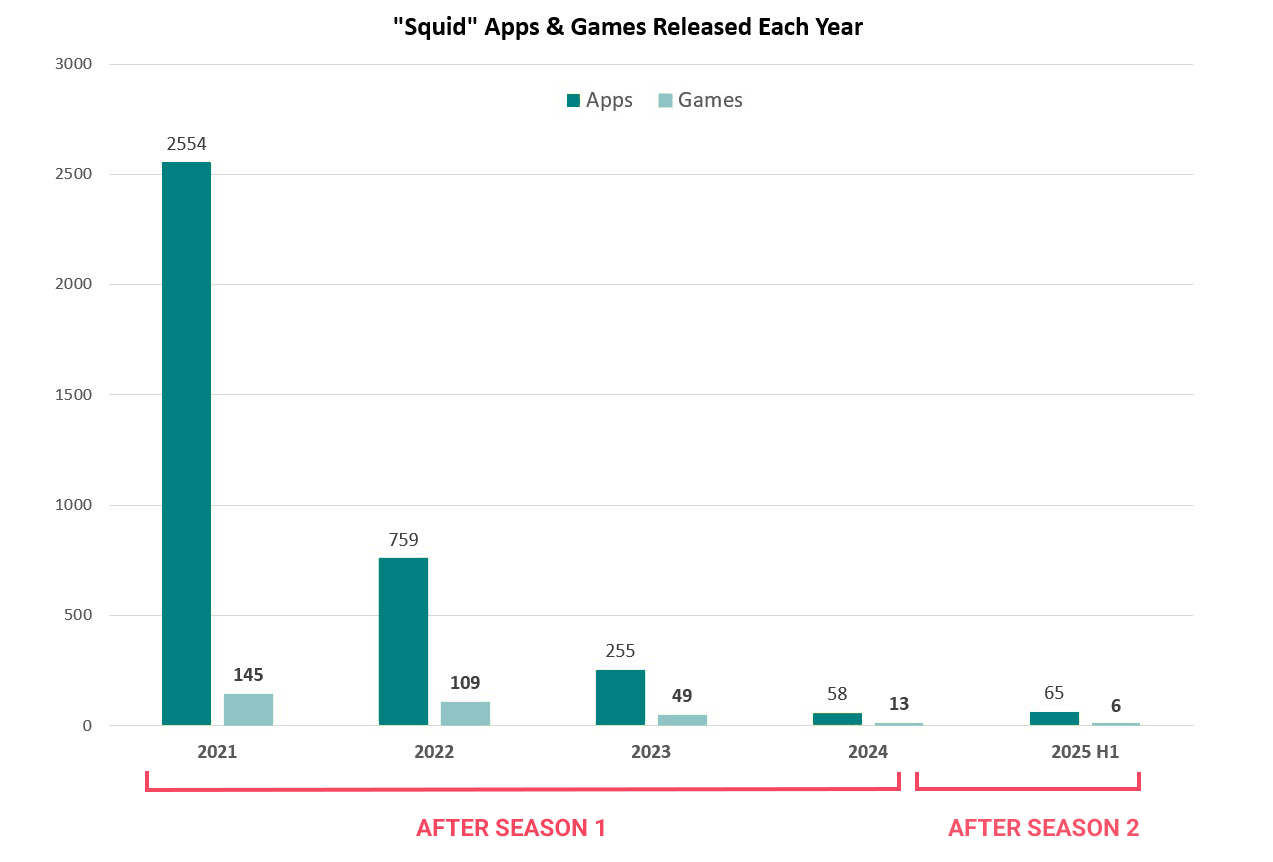 “Squid” apps & games in 2021–2025
So, did the industry just lose interest in one of the most recognizable shows of the decade? Not exactly, and there’s more to it than it might seem at first.
In this article, we’ll answer the following questions: - Who gained the most from the Squid Game hype? - How can trending media boost your ASO and ad performance? - Why didn’t Netflix win its own game?
Oh, and one more: are there still valuable takeaways studios can use to grow today?
The Winner Takes It All, Right?
As the graph above shows, 322 “squid” mobile games have been released since 2021. Mirroring the show’s narrative, the struggle to survive proved a real challenge: 305 of them have already been eliminated—that is, removed from all stores. But did they really lose?
Most of these titles were Hypercasual games: cheap to make, easy to promote, and built to monetize quickly on cultural phenomena like this. They weren’t made to last anyway. We spotted the same pattern in our TapNation case study about “Skibidi” games that benefited from the trend and got out with solid profits. That’s how trend-driven titles win.
💡Want to know how TapNation stays ahead of trends using AppMagic’s tools? Check out our previous article.
When executed well, tapping into mainstream media like Squid Game is a low-risk, high-reward tactic for studios to generate traction and drive instant growth. If we look up the top 10 “squid” titles by downloads today through our Advanced Search, only one is still alive and kicking. Yet quite a few others secured between 4 and 14 million installs before going off the grid.
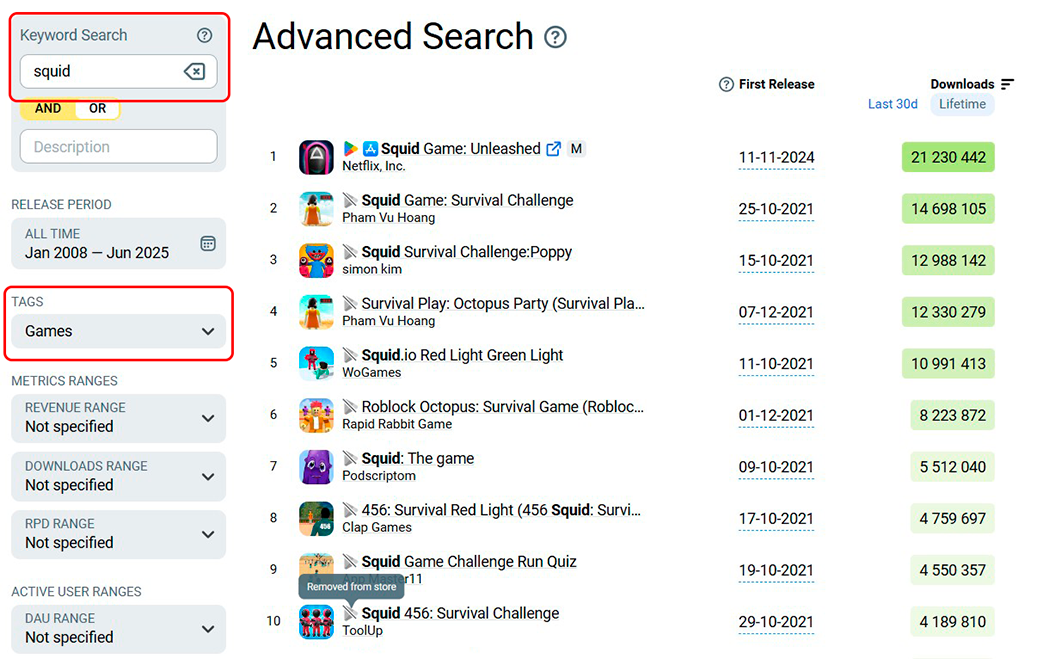 Top “squid” games by downloads
That said, all these titles weren’t the only ones to take advantage of the hype. On TikTok, Squid Game-inspired challenges became viral minigames, playing their part in increasing daily session length as they gave users a fun way to engage with trending content.
Squid Game’s UGC Explosion
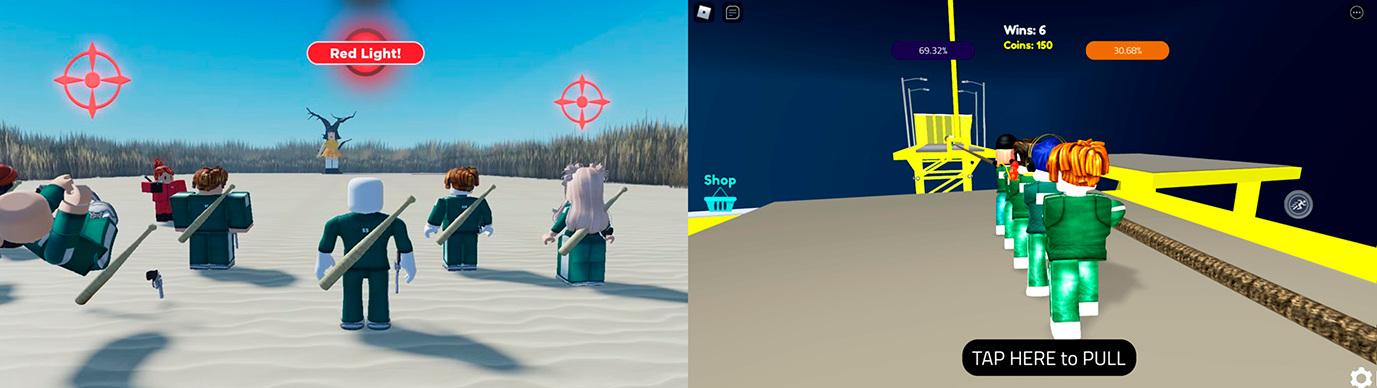
Meanwhile, in Roblox, players themselves launched dozens of new Squid Game-themed modes—from the classic “Red Light, Green Light” survival challenges to glass bridge elimination runs—making them multiplayer-friendly and highly replayable.
When Season 2 launched in December 2024, a wave of Squid Game-inspired user-generated content pushed the platform to 21.7M downloads—only to go on to hit a new all-time peak of 24M installs in January 2025.
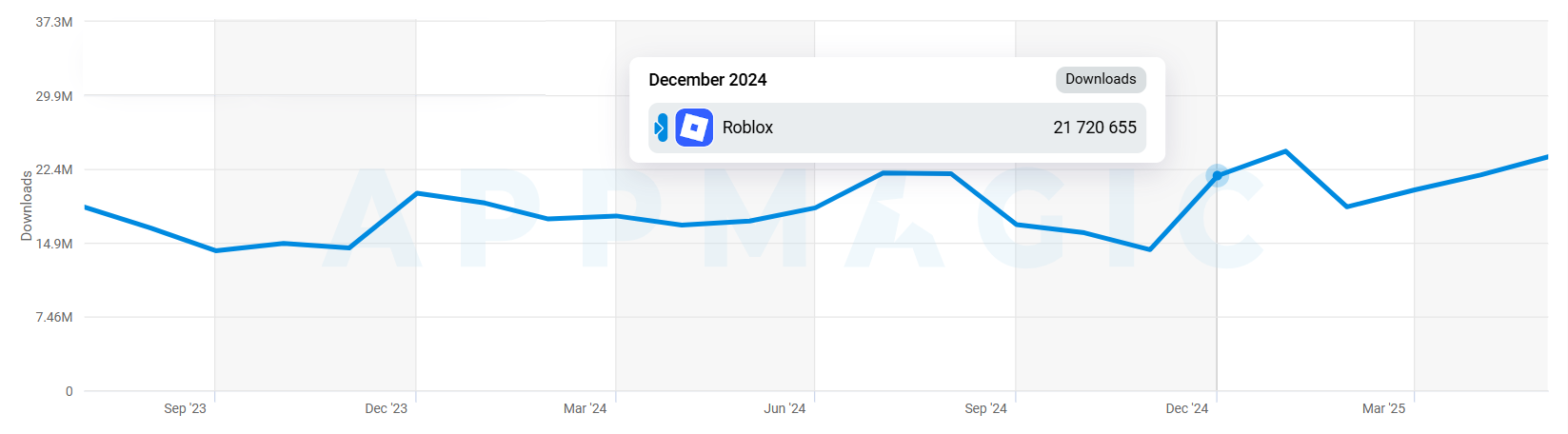
However, these downloads give even more to the developers. Drawn in by the recognizable theme, players create accounts and get familiar with *Roblox*’s controls and core mechanics. From there, the platform’s algorithm takes over, recommending similar games and highlighting what their friends are playing to encourage further exploration and boost retention across Roblox.
After getting enough of a Squid Games-inspired app, players move on and download something else from the App Store, capping their LTV. But with user-generated content, the impact is not just a quick win: a viral moment can turn into long-term value, with no paid UA or real investments.
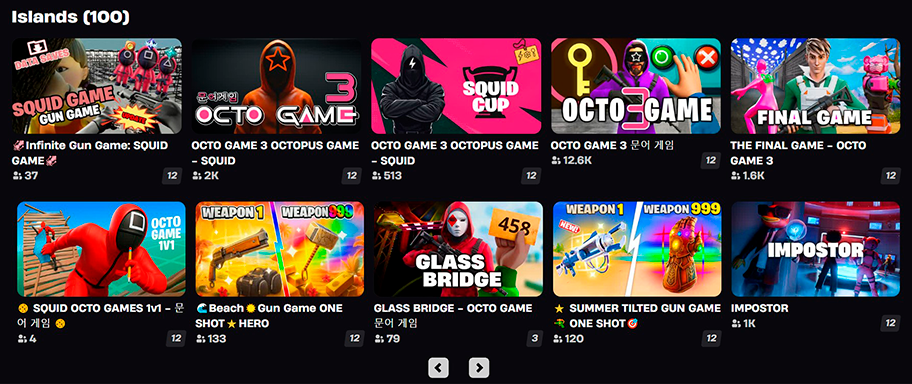
Fortnite, now a full UGC platform beyond its Battle Royale roots, saw the same wave roll in. After each Squid Game season, players built dozens of themed “islands,” turning scenes from the show into multiplayer challenges. Today, there are about a hundred of them, many of which have attracted thousands of players organically.
This highlights that the show remains highly relevant in the gaming space: not just as a visual theme, but as a gameplay blueprint that players actively seek to recreate, given the right tools and creative freedom to do so.
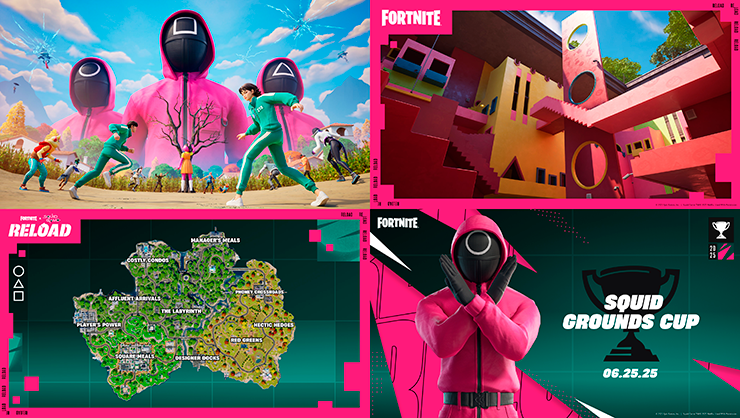
Epic Games actually followed their community’s lead and announced an official Squid Game collaboration right before the show’s final season. The update introduced themed maps, character skins, weapons, and limited-time tournaments, giving players another chance not just to watch the show, but to step right into it.
And that’s how you listen to your community, build on what they already love, and deliver it with polish. Despite the sharp decline in new “squid” titles we see on the graph, *Squid Game* is still trending where it counts, especially in UGC platforms.
Meanwhile, Netflix Unleashed Their Squids… a Little Too Late
All of the impact on the industry didn’t go unnoticed, and Netflix finally joined the race with its official Squid Game title. However, the end product didn’t match the show’s viral energy. With 20 million installs since its launch in November 2024, the numbers are decent, but fall far short of what this global phenomenon could have achieved.
The IP isn’t the one to blame; it is the timing. The game hit the spotlight long after the initial mobile hype wave had peaked, missing the 2021–2022 spike when player appetite was at its highest. Besides, launching the game only eight months before the final season left little time to build meaningful traction.
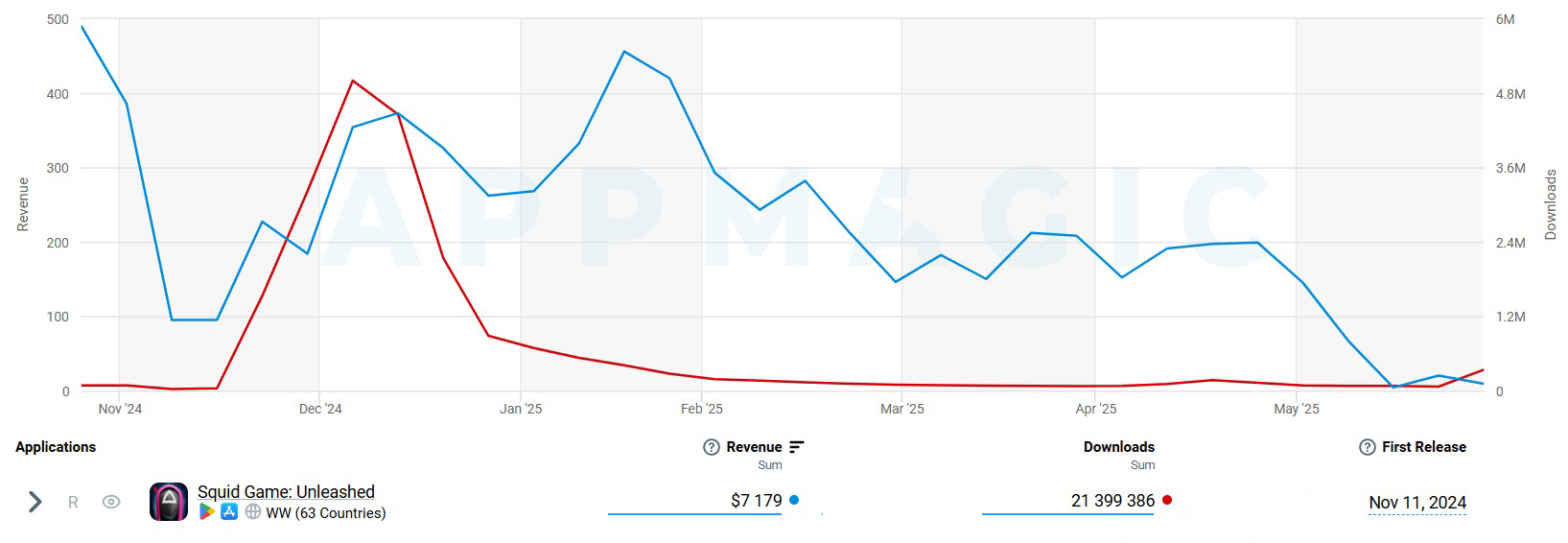 Squid Game: Unleashed revenue & downloads dashboard
The truth is, after all the TikTok challenges and Hypercasual clones, the audience had already seen Squid Game adapted in many forms. So when Netflix finally showed up, not only was the demand partially satisfied, but the expectations may have been higher than what the game offered, and it just wasn’t enough to engage players for the long term.
In fact, Roblox beat them at their own game. It just proves that you don’t need an original IP to profit from the trending media. What truly matters is hitting the right moment, staying in touch with your audience, and executing well.
And there’s more than one way to tap into that hype.
Mask On: Using Trend-Driven ASO
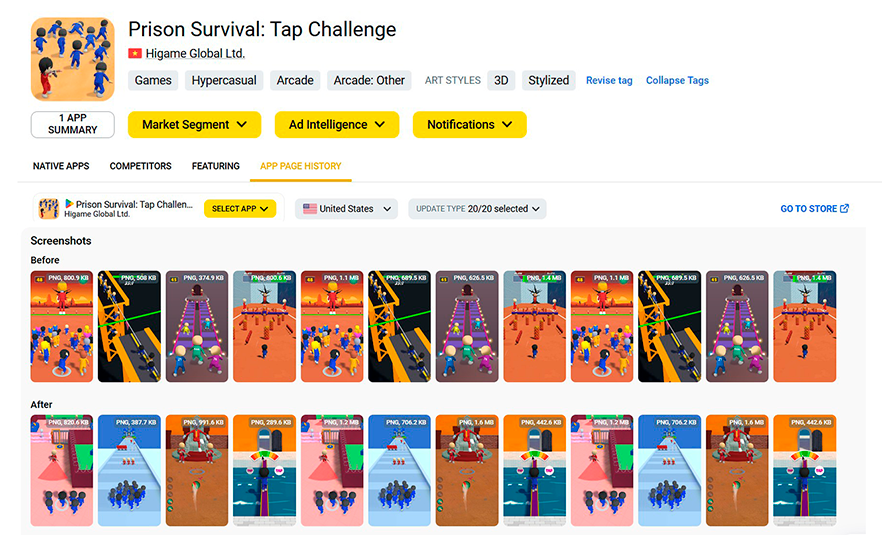
One of the simplest tricks to use is smart ASO. Timely namings, icons, and screenshots referencing the show’s aesthetic can help games stand out across the stores. For example, Prison Survival: Tap Challenge nailed that and became the most downloaded Hypercasual launch of November 2024. On the game’s App Page History, we noticed several Squid Game references, which likely drove the install spike.
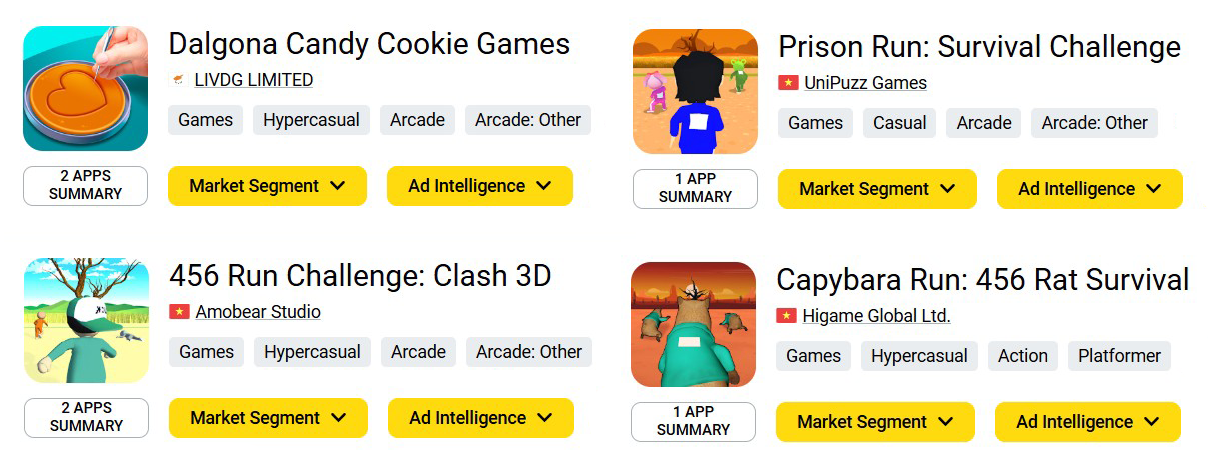
Plenty of games grab a piece of the hype by using visuals and titles inspired by viral scenes—like the Dalgona cookie game or Red Light, Green Light—in their ASO. But tread carefully: there’s a fine line between a reference and an IP violation. The key is to leverage the tone and themes without copying the brand directly, staying on the safe side while still gaining traction.
Riding the Wave in Ads
ASO is not the only place where trending media does the heavy lifting. With our Ad Intelligence, we’ve tracked hundreds of ads with visual references or misleading creatives that lure players into the game. It’s relatively low-effort, fast to produce, and if done right, it pays off fast.
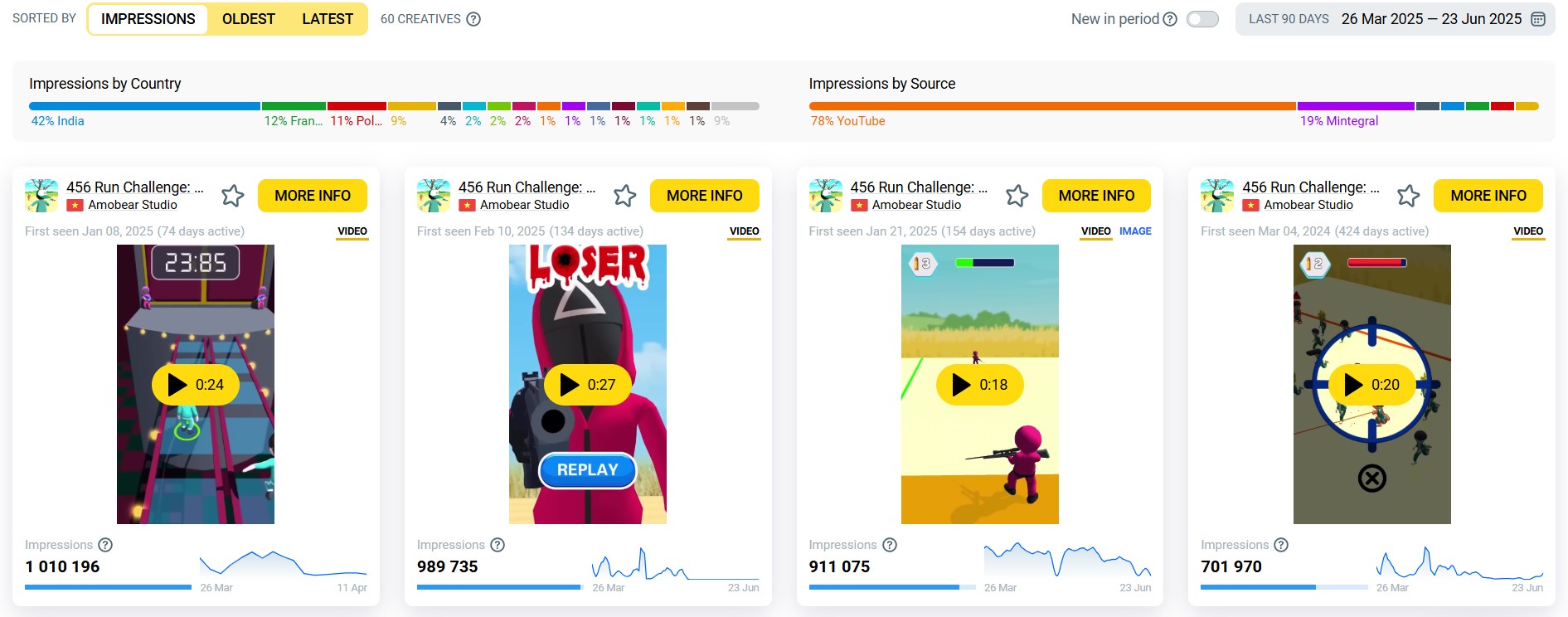 Squid Game-themed ads in our Ad Intelligence
Building Content That Actually Retains
Now, let’s take Squid Game as a case in point for content inspiration. Before jumping on any trend, it’s crucial to understand who it appeals to: look into age groups, gender split, and geographic reach, and compare it to your game’s existing or desired audience.
For Squid Game, that’s mostly Gen Z and Millennials, drawn to intense, survival-focused narratives with high emotional stakes. That makes the theme a natural fit for competitive Action games, but try throwing it into a cozy Merge title, and it may do more harm than good.
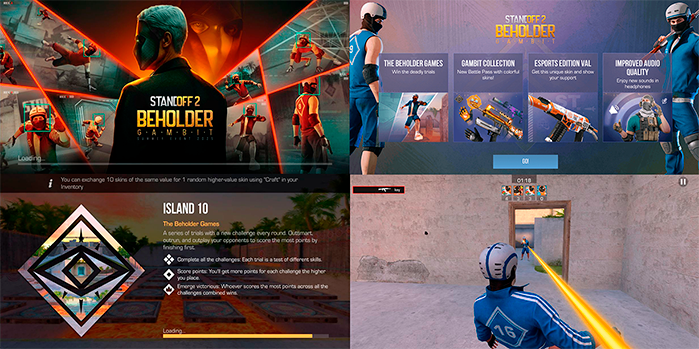 “Standoff 2” summer 2025 update
If the trend fits, build on it with ideas your players will enjoy. With Squid Game as your base, it could be: - Limited-time events that use familiar visuals (like tracksuits, signature colors, or game room aesthetics); - Survival-style leaderboards and elimination challenges; - Themed skins or bundles, drawing inspiration from characters, guard uniforms, or symbols; - Narrative integration, such as adding tension through mission goals, countdown timers, or “last one standing” framing.
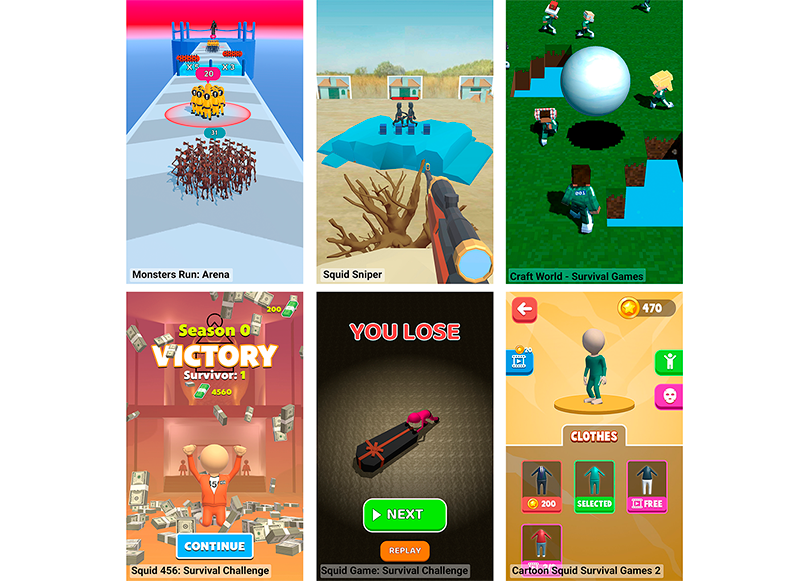 Examples of Squid Game-inspired content
Conclusion: Game Nearly Over
The final season of Squid Game is out, and with it comes one last chance to monetize on the show's relevance. Cultural phenomena like this open the door for low-effort ways to drive short-term performance:
- ASO with trending visuals and keywords;
- Eye-catching ad creatives that tap into familiar references;
- In-game content that resonates with the audience’s preferences and actually makes sense for your gameplay.
These tactics have proven effective for many games over the past few years. Despite having short lifespans, these titles pulled solid installs and earned quick cash, so it’s definitely a happy ending for them. Just don’t expect the hype to carry you forever: use it wisely and move quickly.
Squid Game has totally made its mark on mobile gaming. It’s not the first show to do so, and it won’t be the last. For studios, it’s a good reminder to take what we’ve learned and put it to use when the next hit rolls in.