Monetizing Social Trends: TikTok and AI Fueling Beauty App Success
When TikTok trends and AI technology collide — fast monetization success is almost guaranteed. But the real question is: how long will it last, and how can to make the most of it?
— by Diana Levintova

Social media trends are becoming a massive influence on today’s business landscape, and AI is developing at an incredible pace. But what happens when these two trends overlap? The answer is short: Maximum Rizz.
There are huge trends on TikTok—Rizz and *Max*—that are currently very popular in the AI beauty app segment. This creates a unique opportunity to explore the intersection of these trends, understand their business models, and try to crack the art of trend-surfing. If you are a regular reader of our reports, you know that we even posted a series of articles about games inspired by social media trends—yes, it’s THAT big.
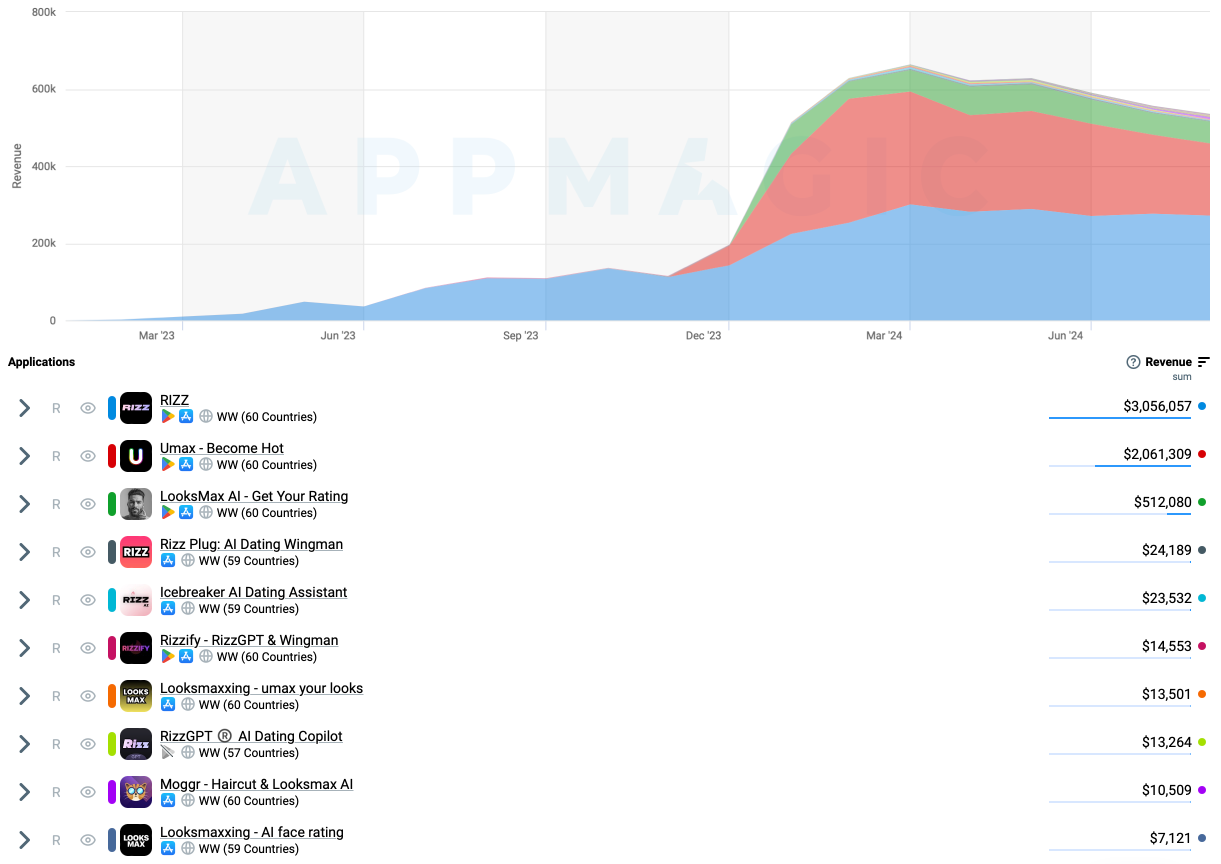
Simply glancing at the dashboard, it is clear that apps with similar words in their titles or descriptions have flooded the AI beauty market. However, as we have witnessed many times before, only a select few have reached a certain level of success: Rizz, Umax, and LooksMax AI. And, as you may have guessed, they are going to be the ones we talk about today.
All of these apps fall into the beauty segment, which isn’t surprising. What might be more unexpected is that TikTok has become the No. 1 platform for beauty app businesses to focus on for paid user acquisition (UA). Looking at the top creatives in the beauty market, we see that 52% of all impressions come from TikTok, which shows how crucial this platform is for reaching users today.
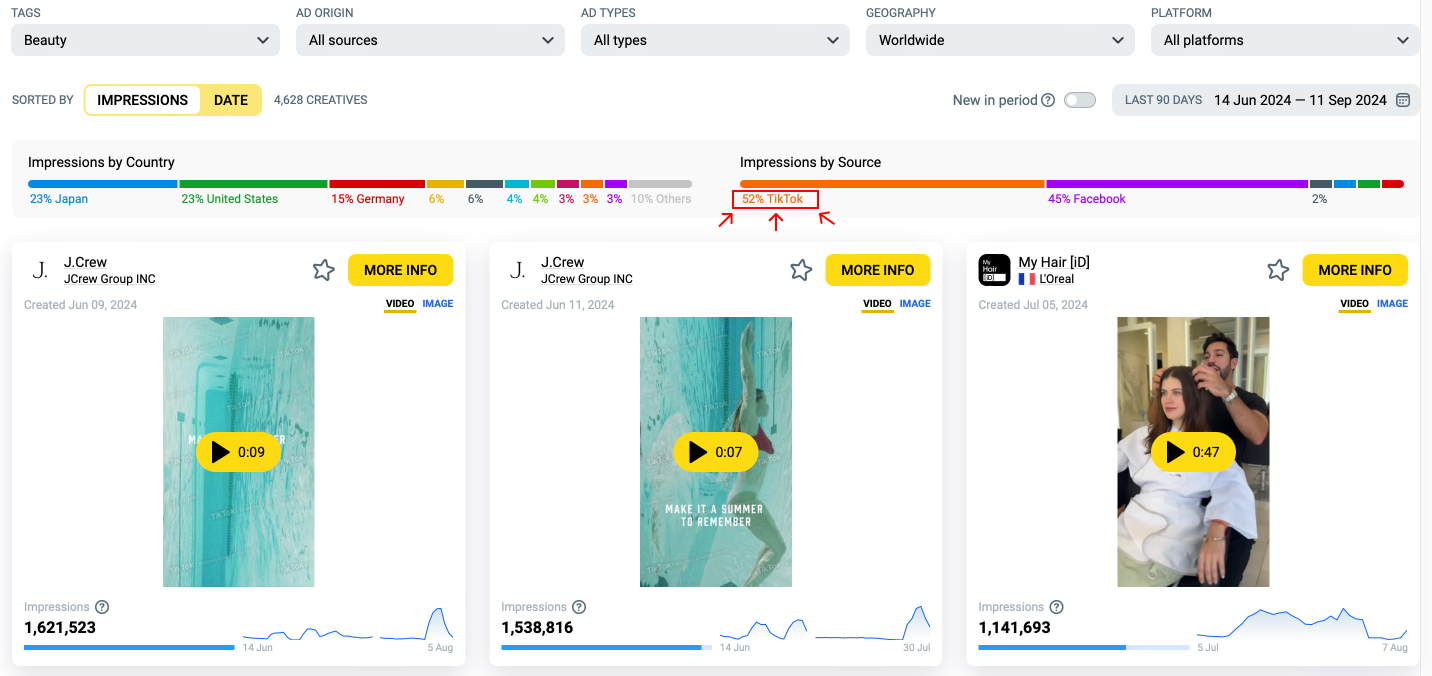 Studying these creatives can give you an insight into what’s trending. But what’s even more helpful right now is knowing what Max and Rizz actually mean (we didn’t know either—we’re a team of millennials, so no judgment!).
Rizz
The term is short for “charisma” and is often used to describe someone’s ability to attract or impress others, usually in a romantic context. Ever seen the videos where people “got rizzed” by dorkish pick-up lines, like “Do you have a name, or can I call you mine?”. Now you get it!
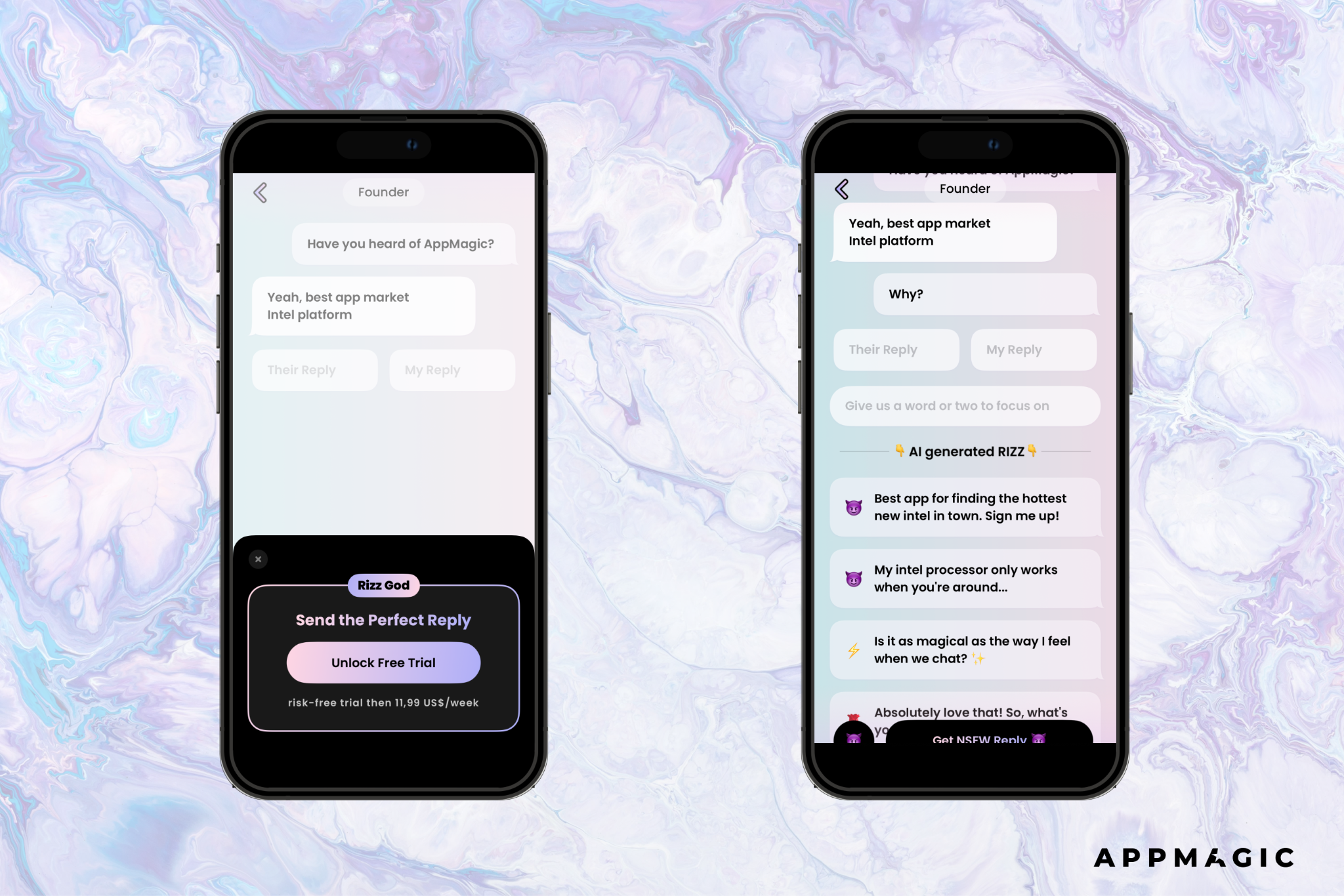
So, for all of those who struggle with playful flirting via texting, TrendIt launched an app called Rizz, which uses GPT to generate cute answers based on the conversation provided, adapting them to the tone of voice of each particular user.
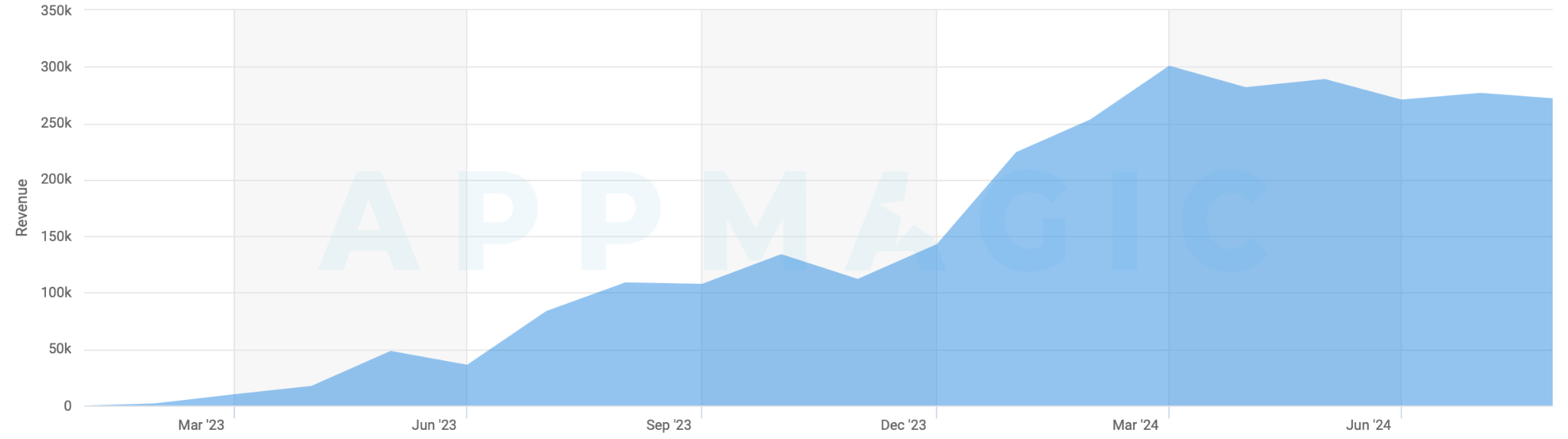
Since its launch in January 2023, the app has generated almost $3M in revenue and, despite the slight decrease in monthly numbers, continues to generate $277k a month, even indicating an upward trend again after the springtime peak (spring fever is real, you know).

Interestingly, downloads have been on the decline since March 2024, which lines up perfectly with the drop in “Rizz” search interest on Google Trends and the short life cycles of these types of trends.
Another very surprising (or maybe not that surprising if you think about) metric is the gender balance split: 67% of the audience is male! Seems like guys tend to struggle with funny and heartwarming answers quite a lot these days. Our guess is that they just never happened to come across Barney Stinson’s glorious playbook.
Max
This trend implies bringing one’s features and characteristics to the best, sometimes even extreme, possible level: looksmax, skillmax, humormax, etc. You can easily see how these trends are perfect for social media—visual transformations and self-improvement are inherently shareable and attention-grabbing. Throw in a funny -max word, and you’ve gone viral.
This trend also has that psychological touch of us wanting to know how good the “before” and “after” actually are. As mentioned earlier, the top app in this category is Umax. The app asks users to upload a photo, which AI then analyzes for aspects like skin tone or jawline sharpness, providing scores out of 100 for each.
It also offers recommendations on how to improve the issues detected and suggests a tracking system to check the progress. We don’t know about you, but that’s how we imagine the male beautifying process in our heads:
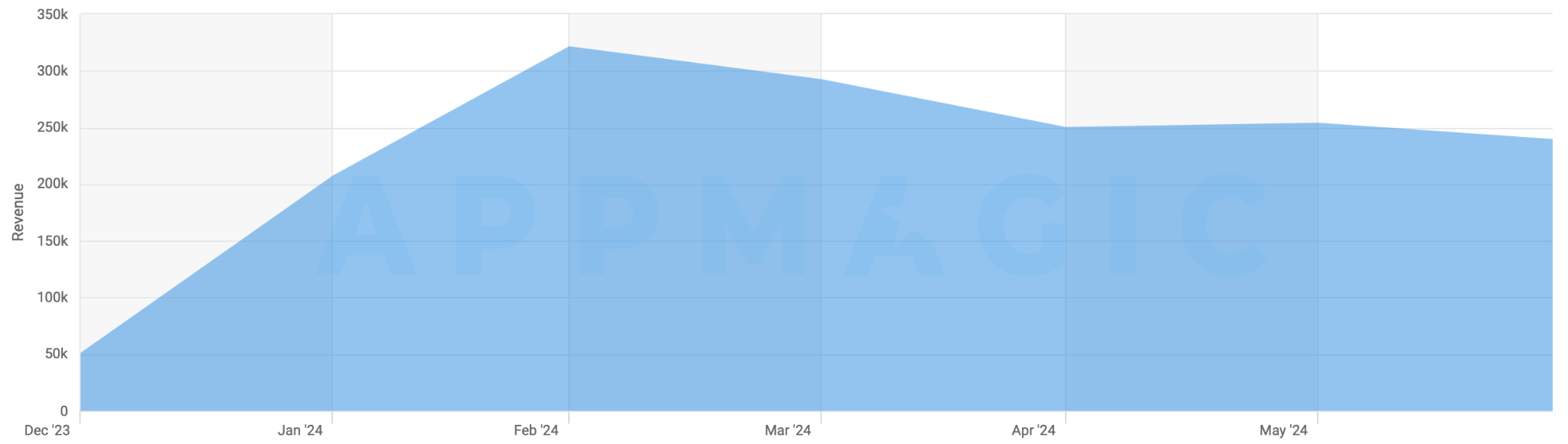
Since its release in early 2024, the app has already generated $2M in revenue, peaking in February and slowly facing the downtrend with earnings of $173k in August.
Quite interestingly, while Umax has quite high Day 1 retention numbers, the figure is fast to drop. Seems like after people have obtained their analysis, they don’t have a lot of motivation to go back to the app, even though it offers progress-tracking features.
Another notable thing about the app is, again, its gender balance. Here, similarly to the Rizz case, the majority of users (69%) are men—and no wonder: lately, men have started caring about their appearance way more than ever! To find out the reasons we, as usual, went on Reddit, and so, it seems, did the founder of Umax.
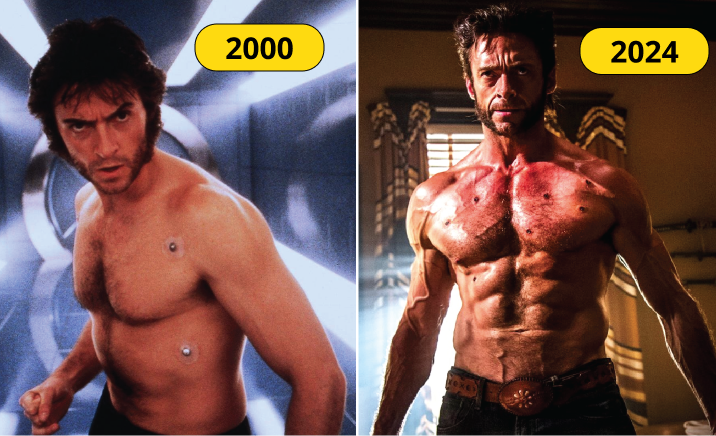
The story goes that, at some point, he started noticing that a large number of men were posting their pictures and asking for beard grooming recommendations. That’s how the idea of an AI scan with personalized results came up and turned into an app addressing real-life problems. Apparently, men feel more and more inclined to pay more attention to their looks, which is natural: men’s beauty standards have changed so much over the past decade—just look at Wolverine back in the days and now!
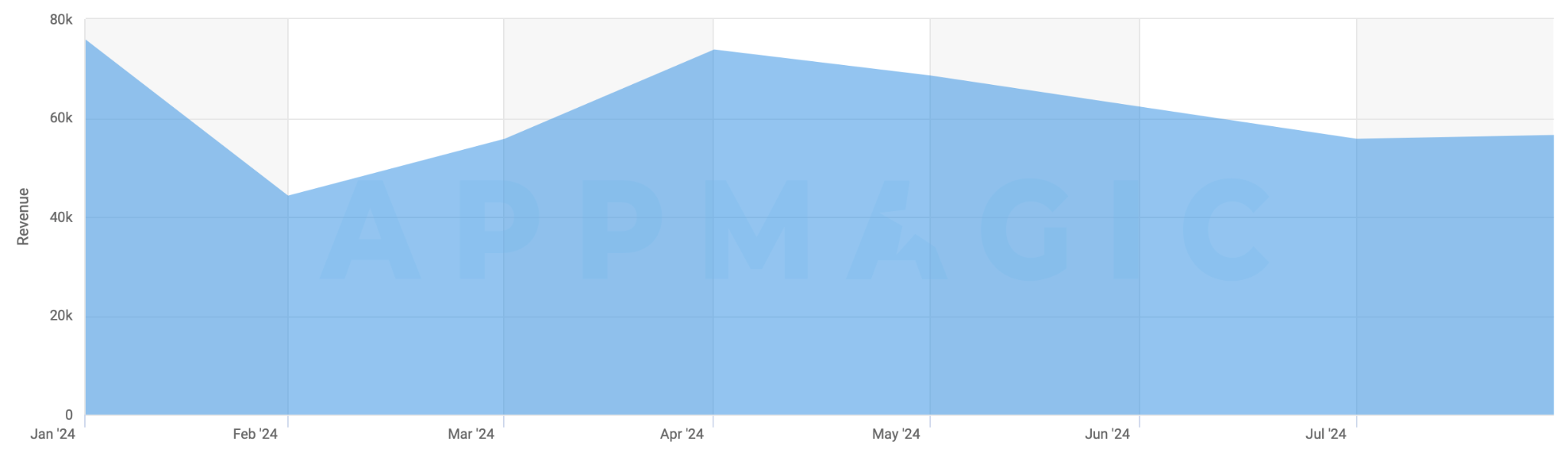
Another app riding the “max” trend is Looksmax, which takes its name from the most popular word in the trend. The concept is similar to *Umax*—scan your face, receive a score, and get improvement suggestions. Now, Looksmax launched almost a month earlier than Umax, but its revenue is nearly four times smaller, sitting at $488k. The app peaked twice—once during launch and again in April 2024. However, like the other apps mentioned, it has since experienced a decline, with earnings falling to $53k in August.
Retention and gender balance trends for Looksmax are similar to Umax. However, unlike Umax, which advertises itself to both men and women, Looksmax specifically targets men. This focus is reflected in the gender balance, with male users comprising 75%.
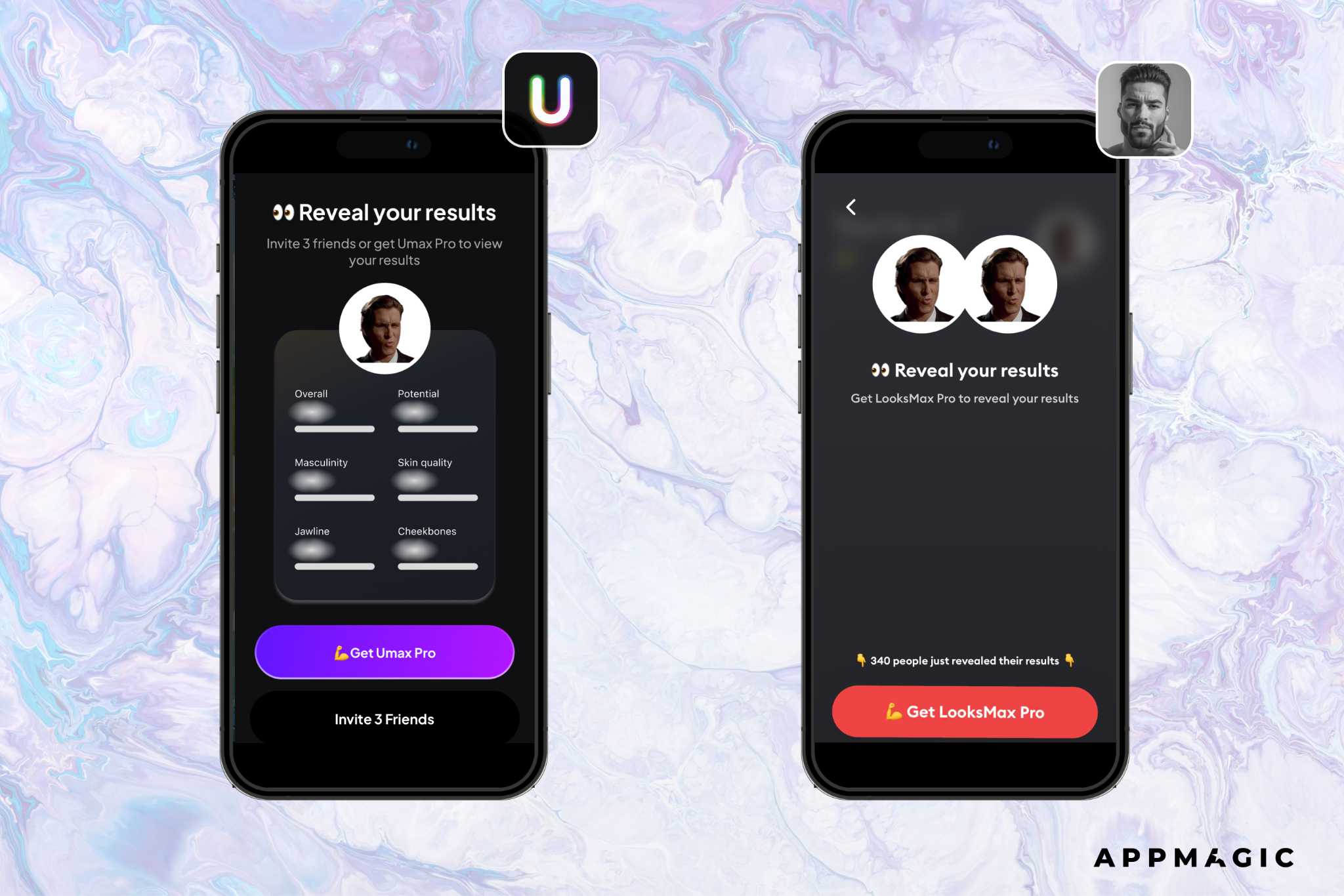
To understand the revenue numbers behind these two apps, let’s check the user journey they offer. While both install a paywall right before dropping the results, Umax goes further: after you subscribe, it only offers one scan, while all other features require additional payment.
In contrast, Looksmax allows an unlimited number of face checks after you have paid for the ride. However, looking at the monthly revenue drop, Umax experienced a significant decline of 52%, compared to a much smaller 28% for Looksmax. We suspect this may well be due to the reluctance of long-term users to pay extra for additional evaluations on Umax.
Key Takeaways: the Fast, the Risky, and the Rewarding Nature of Trend-Hunting
Let’s see what we’ve learned so far: - TikTok is boosting AI beauty apps: The Rizz and Max trends from TikTok are heavily influencing AI beauty apps like Umax and Looksmax. - Beauty market goes TikTok: More publishers are channeling their user acquisition efforts into this platform. - Male-first targeting: Both apps primarily cater to men, aligning with global trends and the specific memes behind the apps. - Monetization models: These apps tend to introduce early paywalls, offering little to no free functionality upfront.
Combining social media trends with emerging technologies is proving to be a highly effective strategy (no surprise there!). Additionally, determining the right gender split for your app based on social media conversations can help reveal the users’ real needs that may not have been immediately obvious (like enhancing male appearance or improving flirting skills). This approach can significantly boost user acquisition.
However, it is important to remember that the lifespan of apps riding social media trends tends to be just a bit longer than that of a butterfly next to a flame. Knowing this, these apps often install a paywall right from the start. In contrast, many Beauty, Health and Fitness apps focus on keeping users engaged with questionnaires, motivational content, and goal-setting before asking for any payment—anything to make the user stick around.
Early conversion at the cost of long-term retention is not to be considered wrong, though. It is a different kind of business model that can be very lucrative if approached correctly. Hope our research has inspired you. This approach requires taking a lot of rizz risk and doing constant research to make you gainmax, but we believe in you!